
Why Does Olive Oil Burn Your Throat?
Many people use olive oil every day, yet are surprised by a mild burning or peppery sensation in the throat. Is this a defect? Has the oil gone bad? No – a gentle throat burn is actually a sign of quality and freshness in extra virgin olive oil, as confirmed by sensory scientists and olive oil researchers studying high-phenolic oils Olive Oil Times.
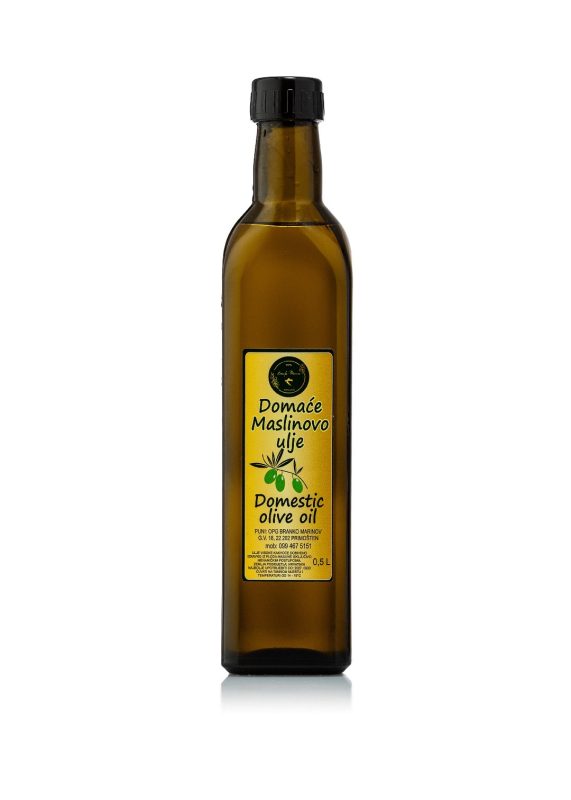
Family-run producers such as OPG Branko Marinov, who harvest olives by hand and press them immediately using cold extraction, preserve this characteristic pungency – along with a high concentration of valuable natural compounds that are largely lost during industrial refining.
Polyphenols and Oleocanthal – Nature’s Protective Compounds
The burning sensation in the throat is primarily caused by polyphenols, secondary plant compounds that protect olives from pests and oxidation. These compounds are part of the olive tree’s natural defense system and are widely recognized by olive oil chemists and food scientists University of California, Davis.
When olives are harvested early, while still green, polyphenol levels reach their peak. Among them, oleocanthal stands out – a phenolic compound responsible for the distinctive throat burn, but also known for its powerful anti-inflammatory effects, often compared to the action of ibuprofen in medical literature National Institutes of Health (PMC).
Scientific research has shown that oleocanthal activates specific TRPA1 receptors located in the throat, explaining why the burning sensation is felt there rather than on the tongue. This unique sensory response is now considered a hallmark of authentic, high-quality extra virgin olive oil ScienceDirect.
Polyphenols also contribute bitterness and pungency, which experts regard as essential quality indicators. Premium extra virgin olive oil may contain between 500 and 1000 mg of polyphenols per kilogram. These compounds neutralize free radicals, reduce chronic inflammation, and support cardiovascular health, as emphasized by nutrition researchers Healthline.
Understanding Olive Oil Quality Differences
Not all olive oils burn the throat – and there is a clear reason why. Industrially refined oils undergo heat treatment and filtration processes that strip away most polyphenols. The result is a mild-tasting oil with significantly reduced nutritional value, a fact highlighted by olive oil quality assessments OliveOil.com.
Extra virgin olive oil, by definition, is produced exclusively through mechanical means, without heat or chemicals, and must be free of sensory defects. High-quality oils exhibit aromas of fresh grass, herbs, and green apple, paired with balanced bitterness and pungency – traits consistently confirmed in professional tasting panels International Olive Council.
Olive variety also plays a crucial role. Cultivars such as Coratina and Picual are naturally rich in polyphenols and produce a stronger peppery sensation, while Arbequina oils are milder and fruit-forward. This is why OPG Branko Marinov blends multiple indigenous Dalmatian varieties to achieve a harmonious balance of bitterness, fruitiness, and pungency.
Virtue or Defect? Debunking Common Myths
A widespread misconception suggests that throat burn indicates rancid oil. Experts consistently state the opposite – pungency is a clear marker of freshness and high polyphenol content, not spoilage Olive Oil Times.
Unpleasant sensations accompanied by metallic, stale, or musty flavors may signal oxidation or improper storage. Quality olive oil should produce a brief, clean burn followed by a fresh and lingering finish.
At OPG Branko Marinov, olives are harvested at the optimal stage of ripeness to preserve both full flavor expression and health-promoting compounds.
Culinary Applications
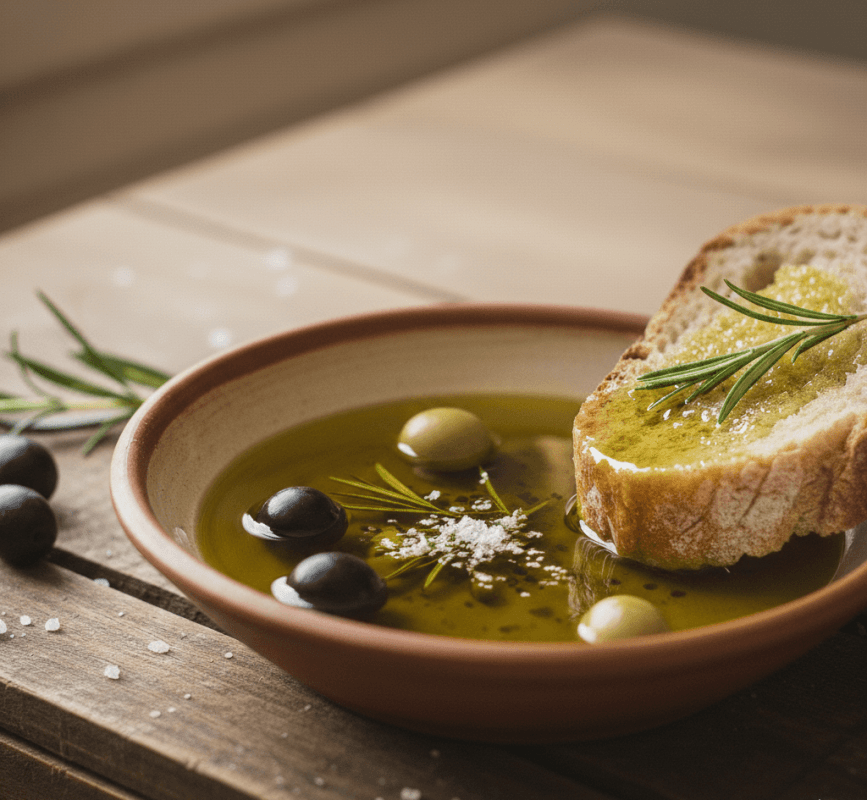
Peppery extra virgin olive oil is ideal for salads, bruschetta, grilled vegetables, and meats, where it adds depth and authentic Mediterranean character. Milder oils are better suited for desserts and delicate sauces. High-polyphenol oils are also more stable during gentle cooking due to their oxidative resistance, according to culinary and food science experts Serious Eats.
Proper Storage and Purchasing Tips
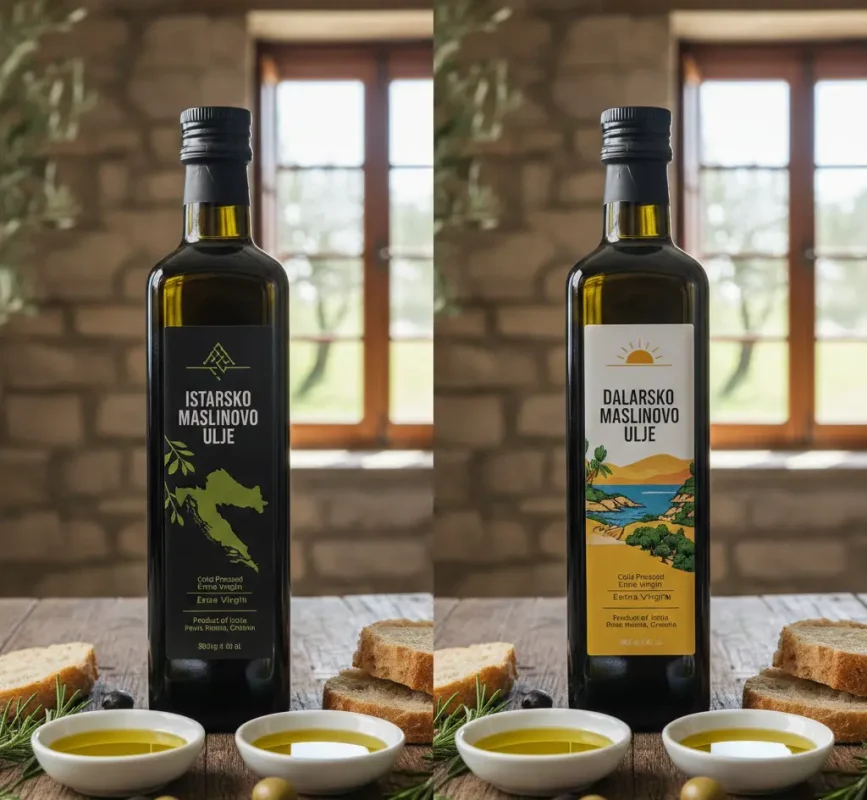
Olive oil should be stored in a cool, dark place, tightly sealed, to prevent oxidation and polyphenol degradation. Dark glass bottles and smaller quantities are recommended to maintain freshness, as advised by food storage specialists Olive Oil Times.
Buying directly from trusted producers such as OPG Branko Marinov ensures transparent origin, freshness, and genuine extra virgin quality.
FAQ (Frequently Asked Questions)
Does every good olive oil burn the throat?
No. Throat burn depends on olive variety, harvest timing, and polyphenol content. A mild peppery sensation is a strong indicator of quality and freshness.
What are polyphenols and oleocanthal?
They are natural antioxidants found in olives that protect the oil from oxidation, contribute bitterness and pungency, and offer proven health benefits.
Can throat burn indicate poor-quality olive oil?
Only if accompanied by unpleasant, metallic, or rancid flavors. A clean, short-lasting burn is a positive quality sign.
How can I recognize high-quality extra virgin olive oil?
By its fresh aroma, balanced bitterness and pungency, certified extra virgin labeling, and transparent origin from reputable producers.