
Introduction
In recent years, interest in buying domestic food and choosing small, independent producers has grown steadily. Supermarket shelves still offer cheaper options, but more and more shoppers are consciously paying a premium for extra virgin olive oil from small farms, seasonal produce, and other foods that carry a clear story of origin, tradition, and sustainability. This shift goes beyond price alone: people want transparency, quality, ethics, and environmental responsibility. This article explores why extra virgin olive oil from small family farms is increasingly replacing industrial supermarket alternatives on everyday tables.
Why consumers are increasingly choosing food from small producers
Statistics and motivations
According to a recent PwC report on consumer habits in Central and Eastern Europe, shoppers are twice as likely to choose locally produced food over imported products (30% vs. 15%). This trend is not limited to occasional buyers; nearly half of respondents are willing to pay more for locally produced food because they perceive it as healthier, higher quality, and more environmentally friendly. Beyond environmental concerns, consumers cite health benefits, better perceived quality, and a desire to support local producers and the economy. More than half prefer food without pesticides (52%) and locally produced food (46%), while a third would pay more to improve soil quality and biodiversity.
Similar findings were published in a study on consumer health and environmental attitudes in the United States. Sales of local food increased from $6 billion to $9 billion between 2012 and 2020. Farmers’ markets expanded almost sixfold, from 1,755 markets in 1994 to 8,720 in 2020. In the same study, 86% of U.S. consumers cite freshness as the main reason for buying local food, 75% want to support the local economy, and 61% mention better taste. Money spent through local channels stays within the community because farmers employ local workers and cooperate with nearby businesses. Shorter supply chains also reduce transport distances and help cut emissions.
Trust and transparency
Beyond freshness and taste, trust is a key factor. Consumers increasingly want products with traceable origin and a real person behind them—someone with a name, a place, and a reputation to protect. Industrial food often passes through long and opaque supply chains, where information about origin and production methods is minimal. Buying directly from small producers makes it easier to understand how food is grown and processed and provides reassurance that products are not created using unnecessary chemical shortcuts. Short food supply chains, such as farm-gate sales, local markets, or community supported agriculture, ensure freshness and quality because food moves directly from field to table. Less time in storage means less need for additives.
Health and the Mediterranean diet: the power of extra virgin olive oil
Scientific benefits of olive oil
Extra virgin olive oil (EVOO) is central to the Mediterranean diet, a dietary pattern based on plant foods, fish, nuts, and olive oil as the primary source of fat. Cleveland Clinic highlights that EVOO contains antioxidants and healthy fatty acids and is associated with reduced inflammation and a lower risk of heart disease. Harvard Health emphasizes that olive oil is rich in monounsaturated fats (around 75%); replacing saturated fats with olive oil can reduce LDL cholesterol, while its antioxidant and anti-inflammatory properties are linked to a lower risk of cardiovascular disease, certain cancers, and dementia. The key difference between extra virgin and refined olive oil lies in production: EVOO is mechanically extracted without heat or chemicals, preserving phenols and antioxidants.
Mediterranean diet and vitality
Registered dietitian Julia Zumpano explains that the Mediterranean diet emphasizes whole grains, fruits, vegetables, legumes, nuts, and extra virgin olive oil, with fish as the primary source of protein. This way of eating is naturally low in saturated fat and rich in fiber, helping reduce inflammation, regulate blood pressure, and support healthy body weight. Incorporating high-quality EVOO into daily meals is part of a broader strategy for long-term heart health and chronic disease prevention.
Differences between supermarket olive oil and olive oil from small producers
EU standards and classification
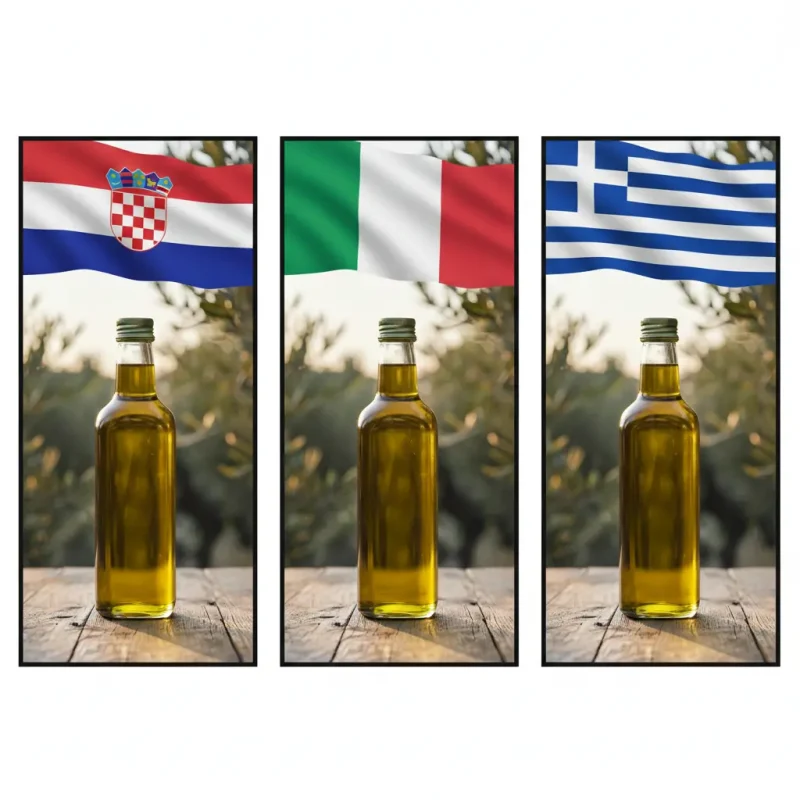
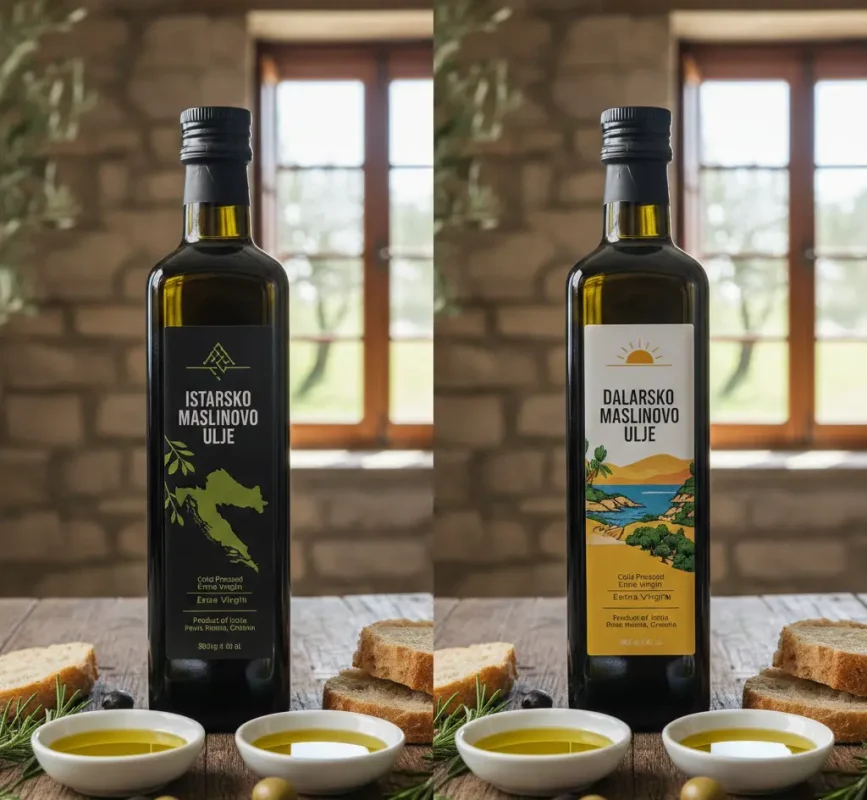
The European Union is the world’s largest producer and consumer of olive oil, accounting for around 67% of global production, with olives grown on 4 million hectares according to the European Commission. The EU defines eight olive oil categories, but only a few may be sold to consumers under current regulations. Extra virgin olive oil is the highest category, requiring acidity below 0.8% and no sensory defects as defined by EU standards. Quality olive oils are typically bottled in dark glass to protect phenols from light, a recommendation also emphasized by producers in practical guides.
Research on supermarket olive oil quality
Numerous studies show that labels in large retail chains do not guarantee quality. A UC Davis study tested imported and domestic olive oil brands purchased in supermarkets and found that 69% of imported samples failed to meet international standards for extra virgin olive oil according to the UC Davis report. These failures were linked to oxidation, adulteration with refined oils, and improper storage as explained in the study. This shows that the “extra virgin” label in supermarkets does not always reflect true quality.
How to recognize real olive oil
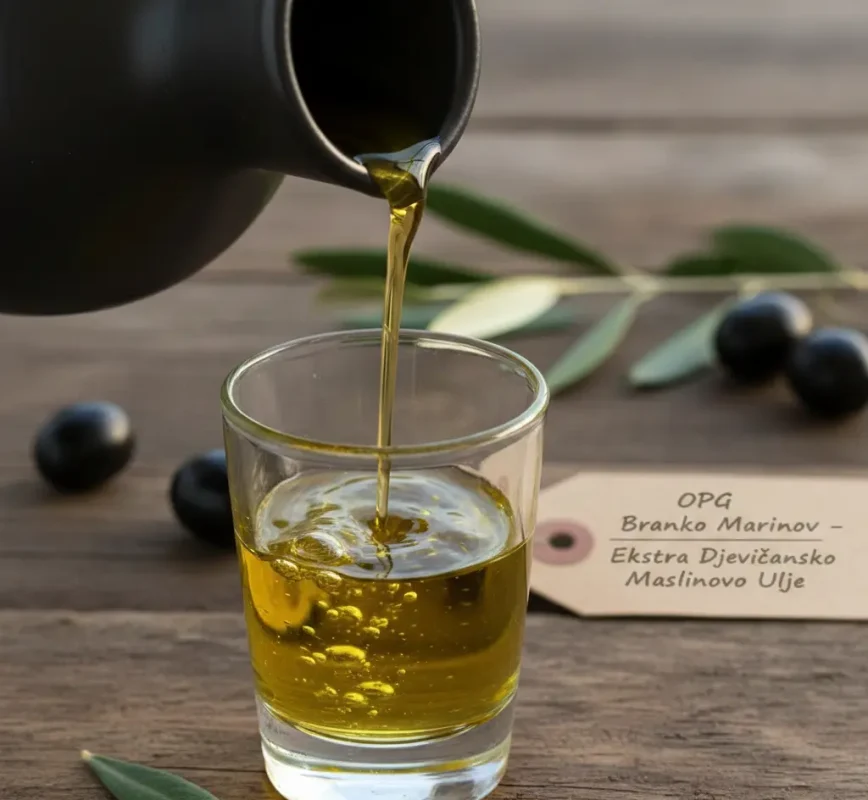
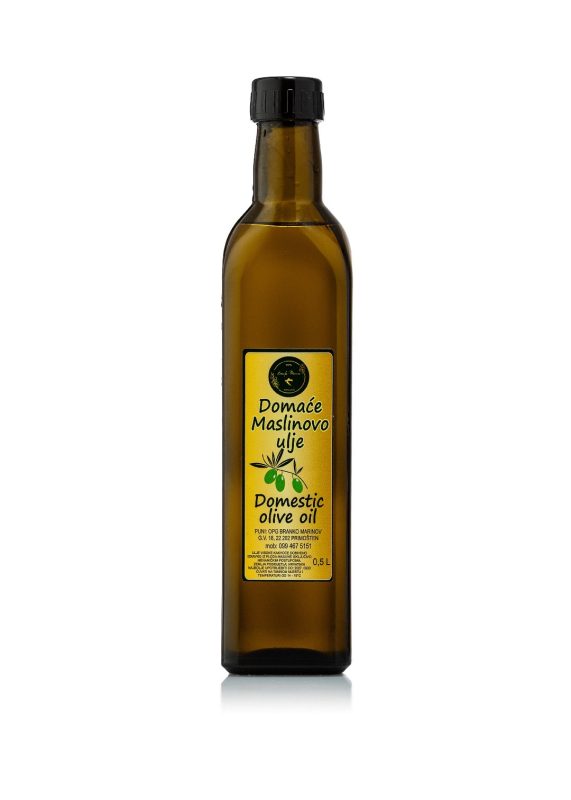
OPG Branko Marinov highlights several practical tips for identifying authentic olive oil. True extra virgin olive oil is produced exclusively through mechanical extraction without heat or chemicals as explained in their guide. Labels often include terms such as “cold pressed” or “first pressing.” Oil color varies by variety and is not a reliable quality indicator; packaging matters more, and dark glass protects phenols. Choosing oils with clear origin and a named producer builds trust. OPG Branko Marinov hand-harvests olives on rocky terrain near Primošten and processes them the same day using cold extraction, preserving freshness, aroma, and nutritional value as described in the production process.
Short supply chains, sustainability, and local food producers
Sustainable agriculture and short supply chains
Short food supply chains involve minimal intermediaries between producer and consumer. Research shows that shorter distances between field and plate preserve freshness and quality according to scientific analyses. These systems reduce contamination risk, limit the need for preservatives, and give consumers greater control over food quality as confirmed by studies. Fewer intermediaries also increase producer income and strengthen local economies according to economic analyses.
Price and willingness to pay
Although olive oil from small producers is often more expensive than industrial alternatives, consumers accept higher prices due to health, ethical, and environmental reasons. More than one third of respondents in the CEE region are willing to pay more to protect soil and biodiversity, with an additional 53% considering it according to PwC research. Studies also show that women, older consumers, more educated buyers, and higher-income households are more likely to pay a premium for locally produced food based on demographic analyses.
Conclusion
An increasing number of consumers are choosing food from small producers and extra virgin olive oil not as a trend, but as a conscious decision driven by quality, health, and sustainability. Research confirms that people are willing to pay more for products with clear origin, better freshness, and superior taste according to available studies. Scientific evidence supports the benefits of the Mediterranean diet and EVOO for cardiovascular health and antioxidant protection according to health institutions and academic sources, while studies such as the UC Davis report highlight the variable quality of supermarket olive oil through concrete analysis. Small producers like Branko Marinov offer an alternative based on transparency, tradition, and hands-on production as shown in producer experience and production methods.
Choosing olive oil from small producers means investing not just in a product, but in sustainable agriculture, local culture, and long-term health. This shift toward domestic food is not a passing trend, but a lasting move toward responsible consumption and stronger trust between producers and consumers.
Frequently Asked Questions (FAQ)
Why is olive oil from small producers more expensive than supermarket olive oil?
Producing extra virgin olive oil in small batches requires hand harvesting, fast processing, and strict quality control. These oils often have lower yields per liter, but retain richer flavor, lower acidity, and higher phenolic content. The higher price reflects labor costs, a focus on quality, and the fact that more of the money stays within the local community according to research.
How can I recognize high-quality extra virgin olive oil?
Authentic extra virgin olive oil is cold pressed without chemicals, often indicated on the label with terms such as “cold pressed” or “first pressing” according to producer guides. It should be bottled in dark glass, clearly state its origin, and include the producer’s name. Buying directly from trusted small farms is strongly recommended.
What are the main health benefits of extra virgin olive oil?
Extra virgin olive oil is rich in monounsaturated fatty acids that help reduce LDL cholesterol according to Harvard Health. It contains antioxidants and phenols with anti-inflammatory properties that may reduce the risk of cardiovascular disease, certain cancers, and dementia according to Cleveland Clinic. This is why EVOO is a key component of the Mediterranean diet.
What are short food supply chains and why are they important?
Short food supply chains minimize the number of intermediaries between producer and consumer. This results in fresher, higher-quality food with fewer preservatives and reduced transport emissions according to scientific studies. These systems also allow producers to earn more and strengthen local economies according to economic analyses.