
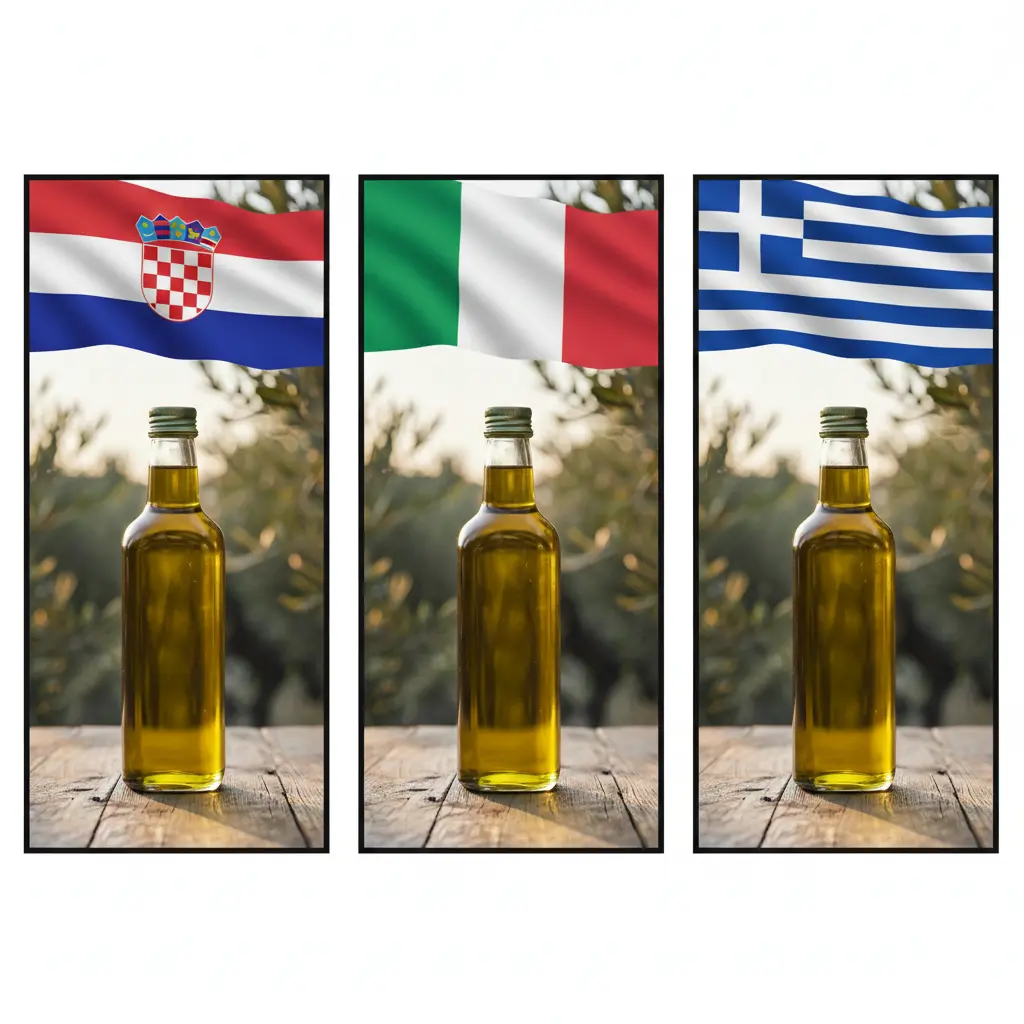
Introduction
When people think of olive oil, Italy and Greece usually come to mind first. These countries have shaped the global image of olive oil for decades, and their products dominate supermarket shelves around the world. Italian and Greek olive oils are familiar, trusted, and deeply rooted in Mediterranean cuisine.
But there is another country, often overlooked, that quietly produces some of the finest olive oils in the world: Croatia.
Known internationally for its crystal-clear Adriatic Sea and sun-soaked coastline, Croatia is rarely mentioned in discussions about premium olive oil. Yet hidden among its rocky landscapes and ancient olive groves lies a tradition of olive oil production that rivals — and often surpasses — that of far more famous producers.
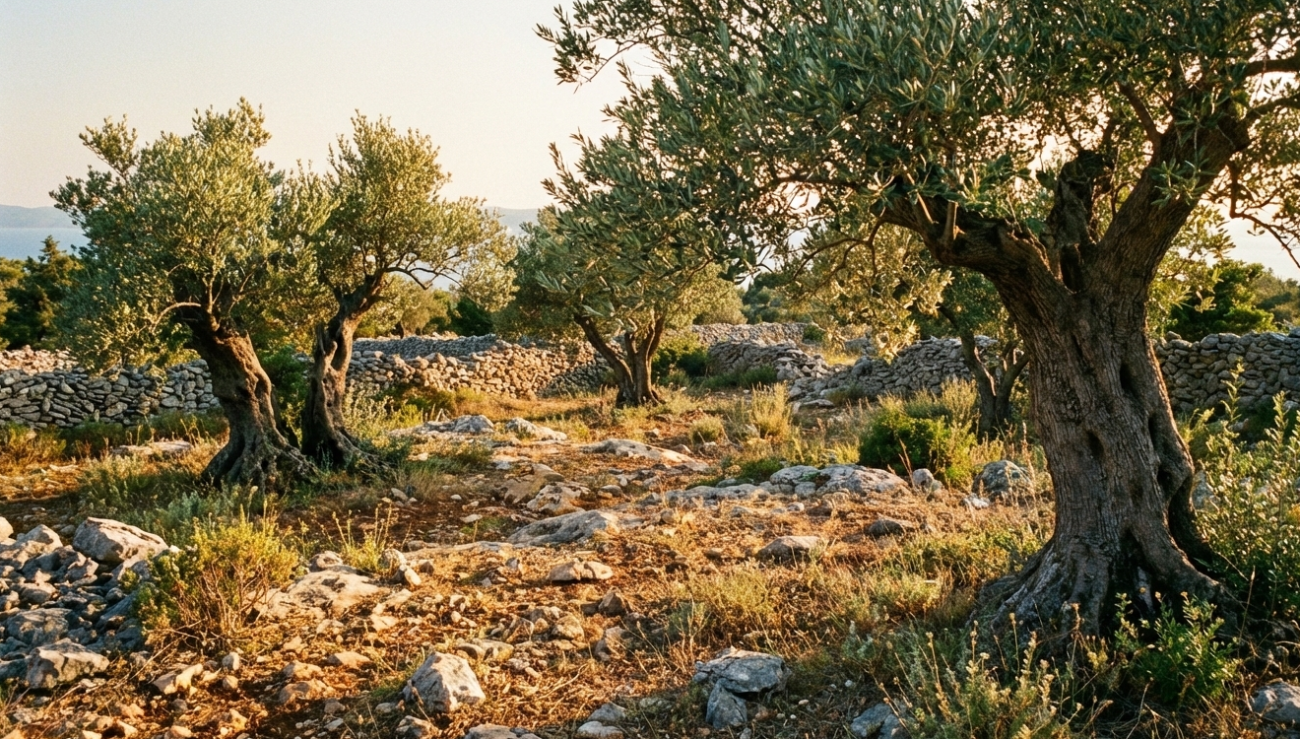
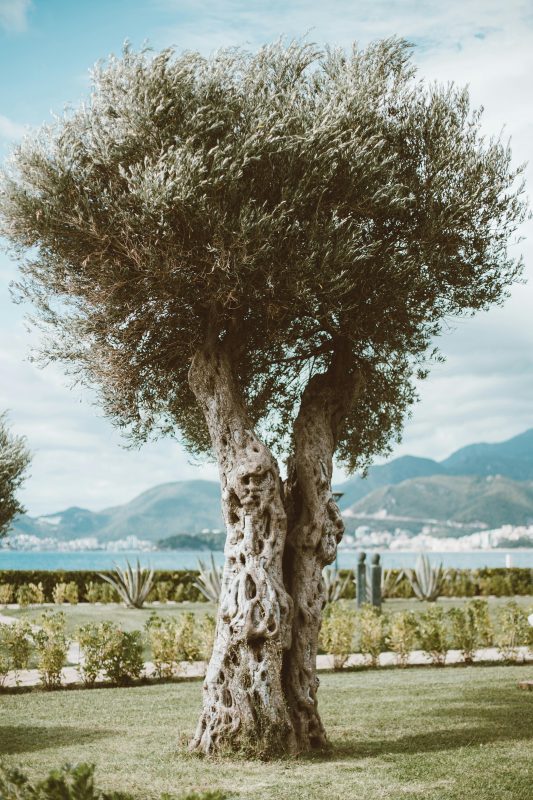
Picture stone terraces overlooking the sea, shaped by hand generations ago. Picture twisted olive trees, some hundreds of years old, growing in harsh conditions of wind, salt, sun, and scarce water. For Croatians, olive oil is not a lifestyle trend or a marketing concept — it is a way of life, deeply tied to family, land, and heritage.
This is where Croatian olive oil begins — and where its unique character is born.
Croatia as a Hidden Gem of Olive Oil
At first glance, Croatia does not appear to be an olive-oil powerhouse. Unlike Spain, Italy, or Greece, there are no vast industrial plantations stretching across the landscape. Croatian olive oil production is small, limited, and highly local.
And that is precisely its strength.
Instead of quantity, Croatia focuses on quality. The country’s olive oil production is built around small, family-run farms that harvest olives by hand and process them with care. The goal is not maximum yield, but maximum expression of flavor, freshness, and nutritional value.
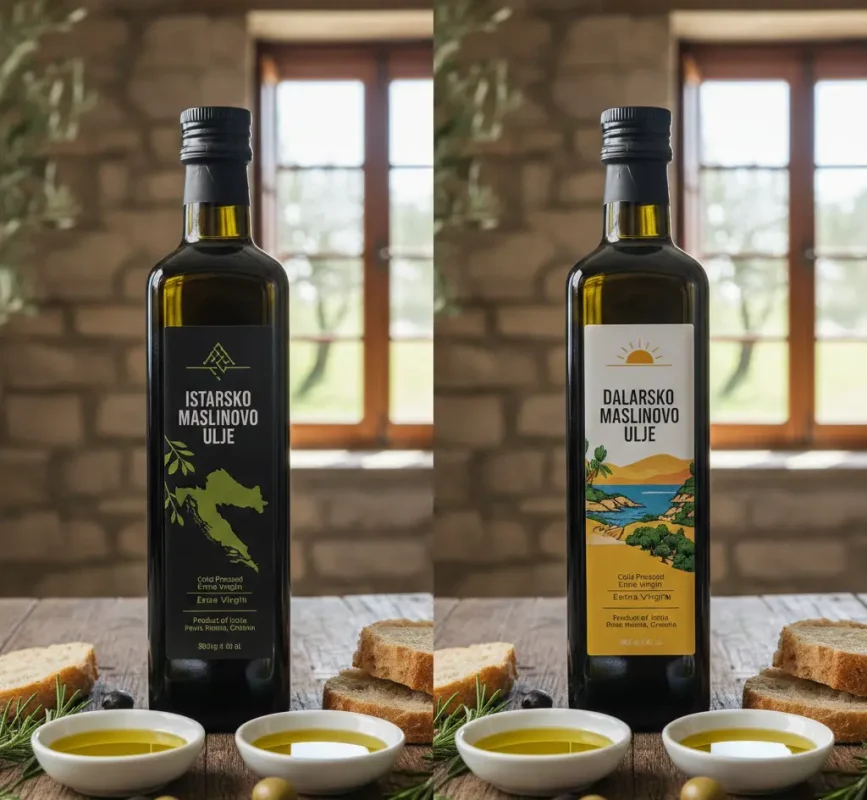
Two regions dominate Croatian olive oil production:
Istria, in the north
Dalmatia, along the southern Adriatic coast
Istria shares climatic similarities with northern Italy, yet consistently achieves outstanding results. For years, it has been recognized by international olive oil guides as one of the best olive-growing regions in the world, despite its modest production volume.
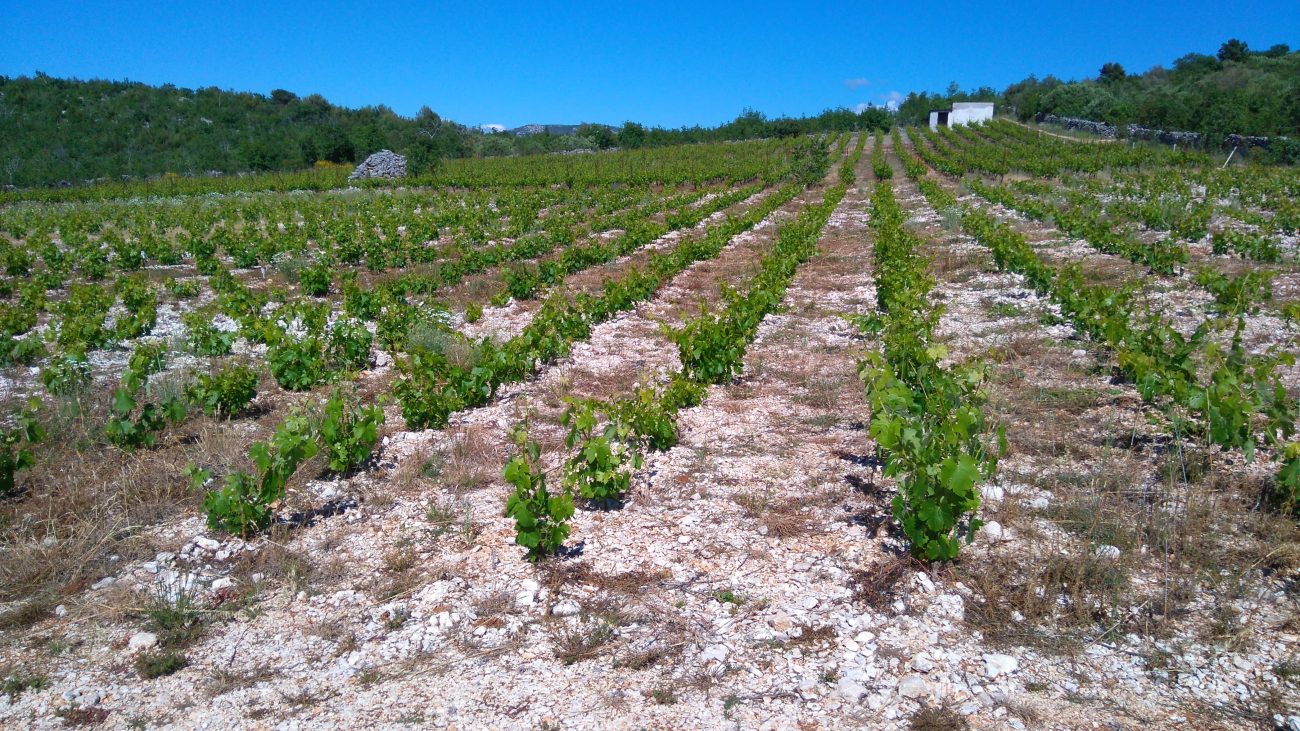
Dalmatia, on the other hand, is defined by extreme conditions: rocky soil, strong coastal winds, intense sunlight, and minimal rainfall. Olive trees here grow slowly and struggle — and that struggle translates directly into concentrated flavor and high polyphenol content in the oil.
Autumn harvests often take place in cooler conditions than in southern Mediterranean countries, preventing olives from overheating during picking. As a result, the fruit remains intact, and the oil extracted from it reaches exceptional quality.
Italian vs. Greek vs. Croatian Olive Oil
Italian and Greek olive oils are well known — but how does Croatian olive oil compare?
Italian Olive Oil
Italy offers enormous diversity. From delicate, buttery oils in the north to bold, peppery oils in Tuscany or Apulia, Italian olive oil spans a wide sensory spectrum. However, large-scale production has also led to widespread blending. Many “Italian” olive oils sold globally are mixtures of oils sourced from different countries and refined for consistency rather than character.
Greek Olive Oil
Greek olive oil has ancient roots and a strong reputation for health benefits. Often produced from the Koroneiki variety, Greek oils are typically smooth, grassy, and mild, with gentle bitterness. They are reliable, balanced, and familiar — a safe choice for many consumers.
Croatian Olive Oil
Croatian olive oil combines the best of both worlds while adding something entirely its own.
Because production is small, most Croatian extra virgin olive oils come from specific regions, groves, or even single estates. There is no mass blending. What you taste is pure terroir — the land, climate, and harvest of a particular place.
Croatian oils are usually intense and expressive:
fresh grass and green olive aromas
herbal notes such as rosemary or wild arugula
hints of green apple or almond
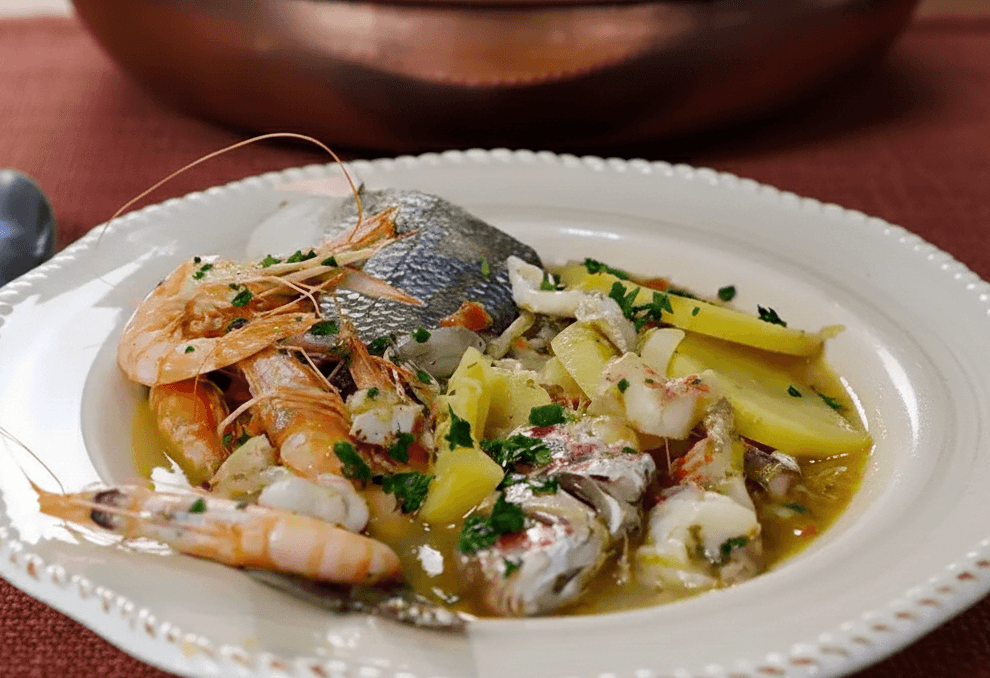
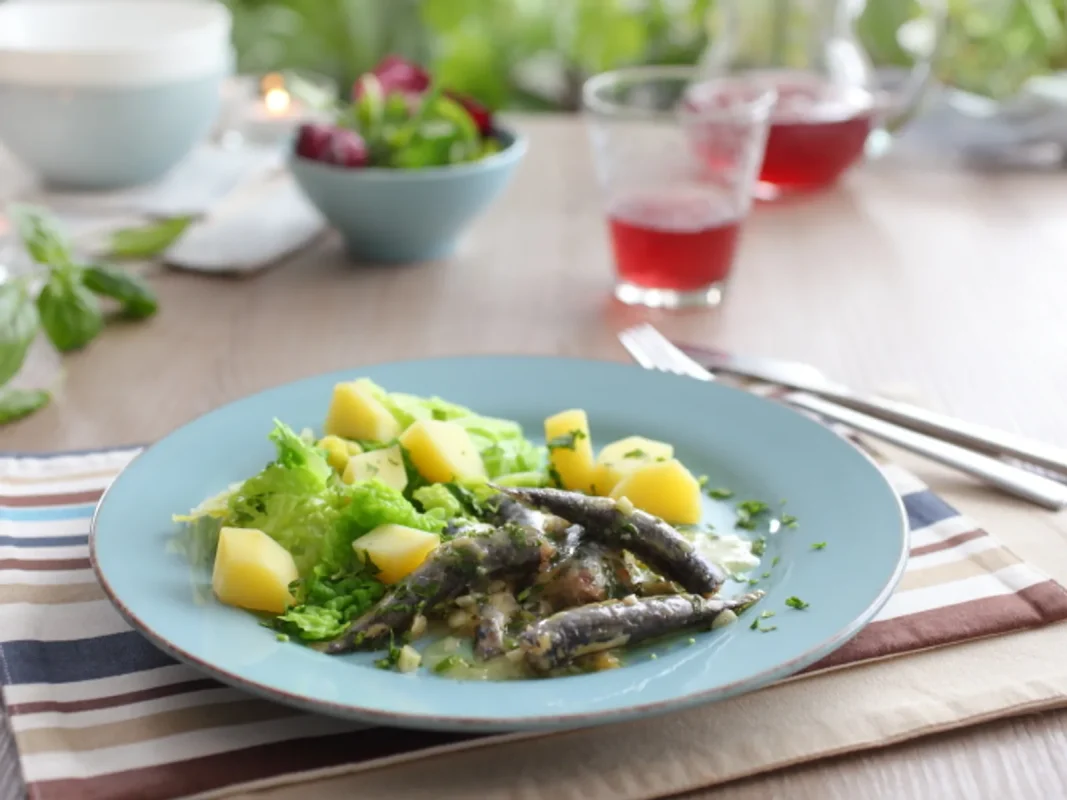
A gentle bitterness and a peppery sensation at the back of the throat are common — and desirable. In Dalmatia, the traditional olive variety Oblica produces oils with a slightly sweeter profile, ideal for fish and seafood. In Istria, oils tend to be bolder and more pungent, perfect for salads, vegetables, and pasta.
What unites them all is freshness, authenticity, and craftsmanship.
What Does “Extra Virgin” Really Mean?
The term extra virgin olive oil is often used, but not always understood.
Extra virgin is the highest quality category of olive oil. To earn this designation, an oil must meet strict standards:
Cold-Pressed, Mechanical Extraction
Extra virgin olive oil is obtained exclusively by mechanical means, without chemicals, typically below 27°C. This preserves natural aromas, vitamins, and antioxidants.
Low Acidity
High-quality extra virgin olive oil must have an acidity level below 0.8%. Lower acidity indicates healthy olives and careful processing.
No Sensory Defects
The oil must be free from defects such as rancid, musty, metallic, or vinegary aromas. It should smell fresh and vibrant.
Freshness
The best producers process olives within 24 hours of harvest, locking in flavor and nutritional value.
It is important to note: olive oil does not improve with age. Unlike wine, freshness is everything. Extra virgin olive oil is at its best within the first year after harvest.
Intensity and Freshness – Signs of Quality
First-time tasters of high-quality Croatian olive oil are often surprised by its intensity.
Bitterness and pepperiness are not flaws — they are positive indicators of quality.
The peppery sensation, sometimes felt as a slight burning in the throat, comes from polyphenols — natural antioxidants with proven anti-inflammatory and cardiovascular benefits. The more polyphenols, the healthier and more expressive the oil.
Bitterness originates from olives harvested early, while still partially green. Early harvest oils contain higher levels of antioxidants and vitamin E. Later harvests produce milder oils, but with fewer health benefits.
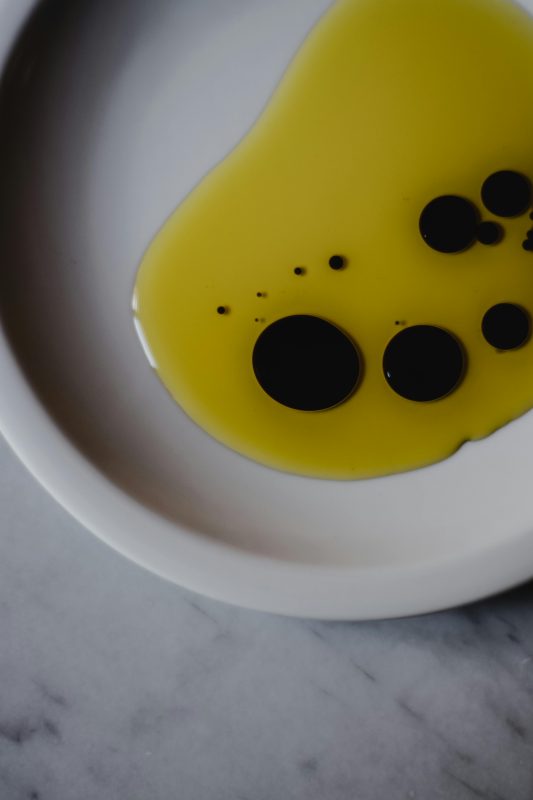
Freshness is also evident in aroma. High-quality Croatian olive oil smells alive: freshly cut grass, herbs, green fruit. Old or poorly stored oil smells flat, dull, or metallic. Color also tells a story — vibrant green to golden hues indicate freshness, while orange tones signal oxidation.
Global Recognition and Awards
Despite its small size, Croatia has gained international recognition for olive oil quality.
At major global competitions, Croatian producers consistently achieve extraordinary success rates. In some years, more than 80% of submitted Croatian oils receive awards, placing the country among the world’s elite.
Istria, in particular, dominates international guides, often outperforming much larger regions in Italy and Spain. Dalmatian island oils have also earned protected origin status and top honors, confirming that Croatian olive oil is no longer a secret among experts.
Today, Croatian olive oils appear on the menus of fine-dining restaurants from New York to Tokyo — valued for their purity, balance, and distinctive character.
How to Recognize High-Quality Croatian Olive Oil
When choosing Croatian olive oil, look for:
Extra virgin designation
Clear origin (Istria or Dalmatia)
Harvest year
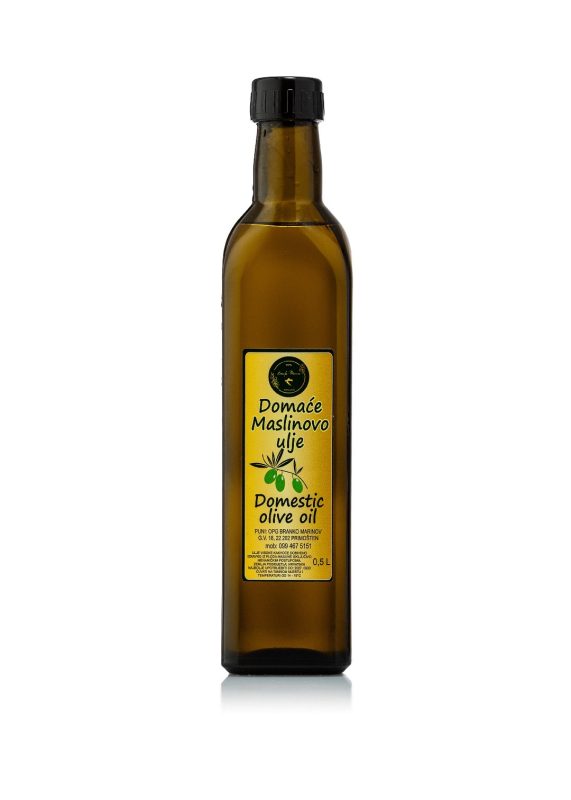
Dark glass bottles or metal containers
Fresh aroma, bitterness, and peppery finish
Avoid transparent plastic packaging and oils with no origin information.
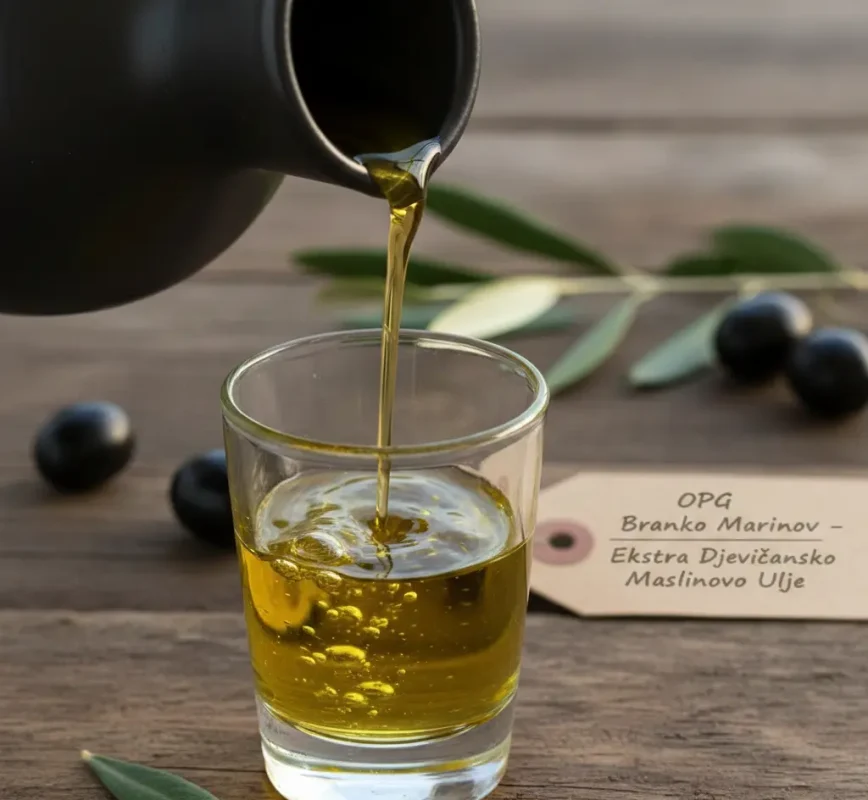
If you cannot travel to Croatia, many small family farms offer direct shipping abroad. For example, family-run estates such as OPG Branko Marinov in Dalmatia produce cold-pressed extra virgin olive oil in small batches and ship internationally. Buying directly from producers ensures authenticity and supports traditional agriculture.
Conclusion – Why Look Beyond the Familiar?
Italian and Greek olive oils are excellent — but they are not the whole story.
Croatia represents a new frontier for those seeking authenticity, freshness, and true craftsmanship. Its olive oils are not mass-produced, not diluted, and not designed for uniformity. They are expressions of land, climate, and family tradition.
If you value quality over quantity and character over familiarity, Croatian olive oil deserves a place in your kitchen.
As a Dalmatian saying goes:
“Every dish benefits from a drop of olive oil.”
Especially when that oil is born from passion, tradition, and respect for the land.
FAQ – Croatian Olive Oil
Click a question to expand the answer.
What does “extra virgin olive oil” mean?
+
without refining, with low acidity (up to 0.8%) and no defects in aroma or taste.
Why do good olive oils “burn” or sting in the throat?
+
A gentle peppery sensation is a positive sign of freshness and quality, especially in early-harvest oils.
Does olive oil age like wine?
+
It is best to choose fresh olive oil and consume it within a reasonable time after opening.
How should olive oil be stored to preserve its quality?
+
away from light and heat. Avoid keeping it near the stove or in direct sunlight.
How can you recognize high-quality Croatian olive oil?
+
and dark packaging. In taste and aroma, a good olive oil is expressive: fresh, slightly bitter and peppery.