
Introduction
Maraština is one of the oldest white grape varieties in southern Croatia and is often described as a “forgotten treasure” of Dalmatian vineyards. Although long considered an indigenous Croatian grape, genetic research has shown a close relationship with the Italian variety Malvasia del Chianti, as noted by TasteAtlas. Today, Maraština is cultivated throughout Dalmatia, particularly around Šibenik and on the islands of Hvar, Lastovo, Pelješac and Korčula, as described by Total Croatia News. Despite its long history, comprehensive and in-depth English content about this grape is still rare. This guide explores the origin, terroir, wine style and buying tips for Maraština as part of Croatia’s white wine heritage.
History and origin of the Maraština grape
Origins and synonyms
The name Maraština hides a long list of local and international synonyms. In southern Dalmatia it is widely known as Rukatac, while on the island of Cres it is called Krizol, and in Italy it appears under the name Malvasia del Chianti, as confirmed by Total Croatia News. Because of these numerous synonyms, the grape was historically mistaken for several different varieties. Modern genetic studies, however, have confirmed that these names refer to the same vine, as explained by TasteAtlas. According to the International Wine Challenge, Maraština is often compared to Vermentino or Macabeo, underlining its Mediterranean character.
Historical role in Dalmatia
Maraština has played an important role in Dalmatian winemaking for centuries. The International Wine Challenge notes that in Šibenik and Skradin the wine was once considered medicinal and could even be purchased in pharmacies. Thanks to its high sugar levels and naturally lower acidity, Maraština was traditionally used to balance other grape varieties and as a base for producing prošek, the traditional Dalmatian dessert wine, as described by Total Croatia News.
Characteristics of the grape and wine
Grapes and wine style
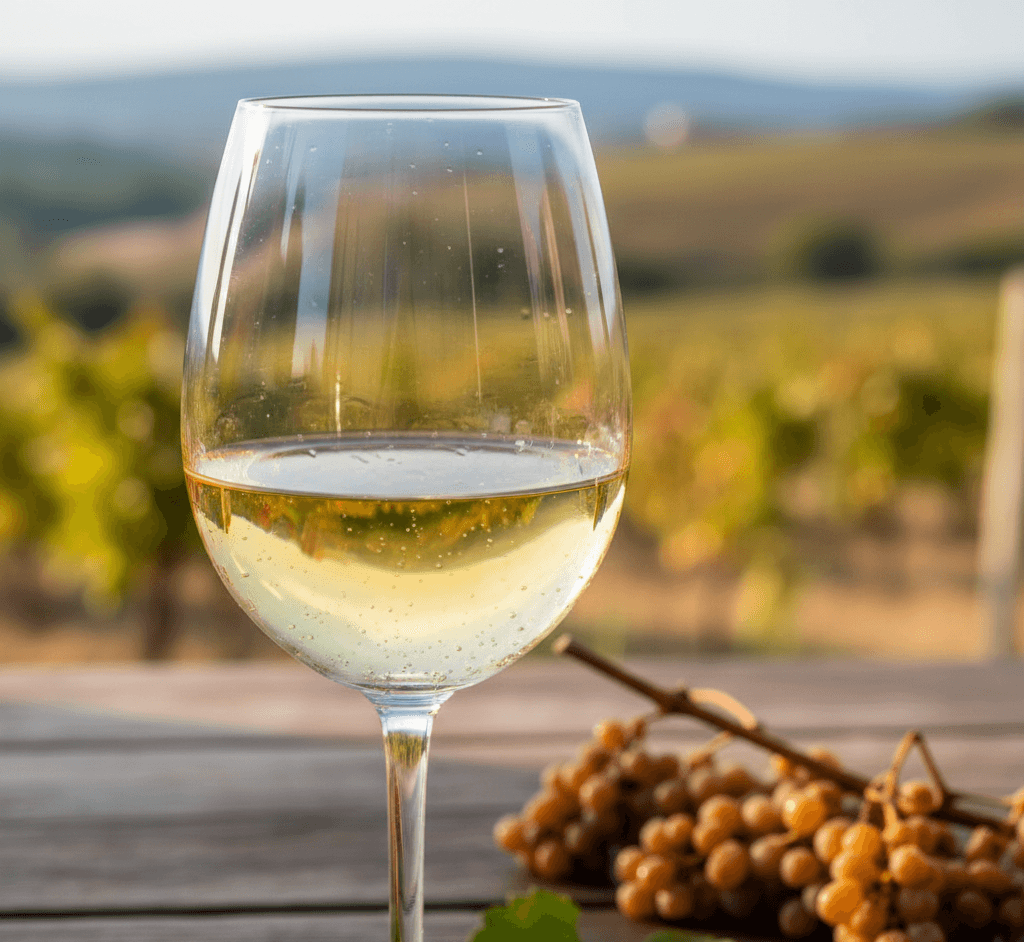
Maraština is a late-ripening grape variety that develops high sugar levels and naturally lower acidity on sunny sites, resulting in warm, rounded and approachable wines. The golden-yellow berries produce wines often described as classic southern white wines with a pronounced Mediterranean profile, according to Total Croatia News.
Aromatic profile and tasting notes
Modern interpretations of Maraština reveal its full potential. The International Wine Challenge describes these wines as aromatic and dry, with floral notes, herbal tones and pleasant freshness. According to Authland, aromas often include ripe stone fruit, citrus and Mediterranean herbs, while TasteAtlas highlights notes of dried fruit and honey. This balanced profile makes Maraština an accessible and food-friendly white wine.
Young, aged and dessert wines
Maraština is most commonly enjoyed as a young wine, but more complex versions aged on lees or in oak are increasingly popular. Thanks to its naturally high sugar content, the grape has traditionally been used to produce prošek, a sweet Dalmatian wine made from dried grapes, as explained by Total Croatia News. OPG Branko Marinov produces limited quantities of varietal Maraština, focusing on traditional methods and the terroir of the Primošten area.
Terroir and growing regions
Maraština is grown throughout Dalmatia, with particularly respected sites around Šibenik, the Zadar hinterland and the islands of Hvar, Korčula and Lastovo. According to TasteAtlas, the combination of limestone soils, dry-stone walls, abundant sunshine and proximity to the sea gives these wines their distinctive minerality and Mediterranean aromatics. The vineyards of OPG Branko Marinov are located on rocky slopes between Primošten and Rogoznica, where grapes are harvested by hand and wines are produced in small batches.
Food pairing
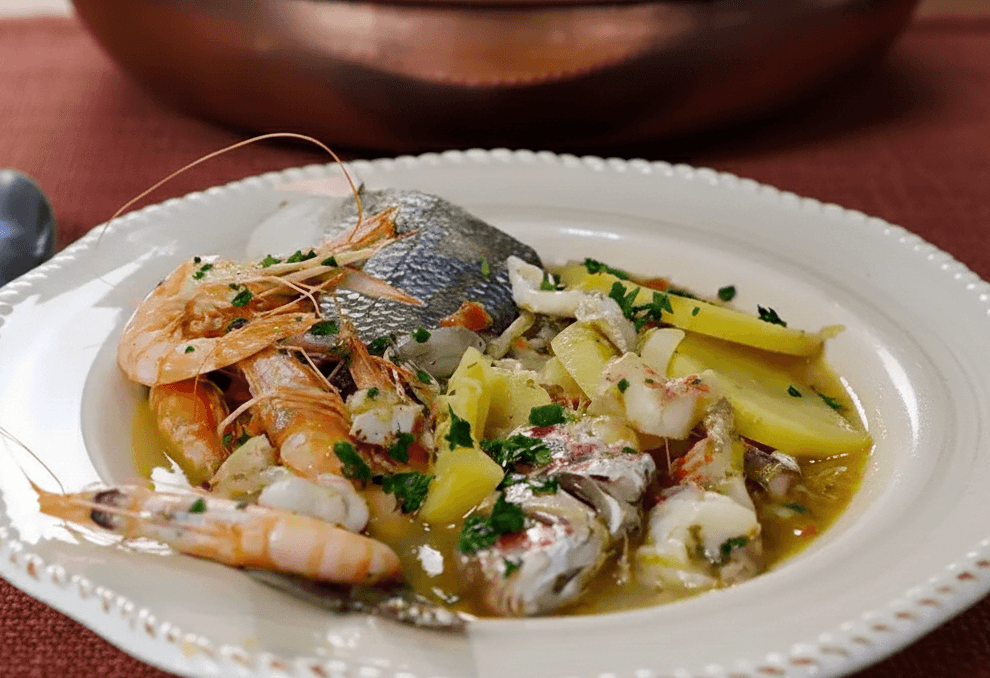
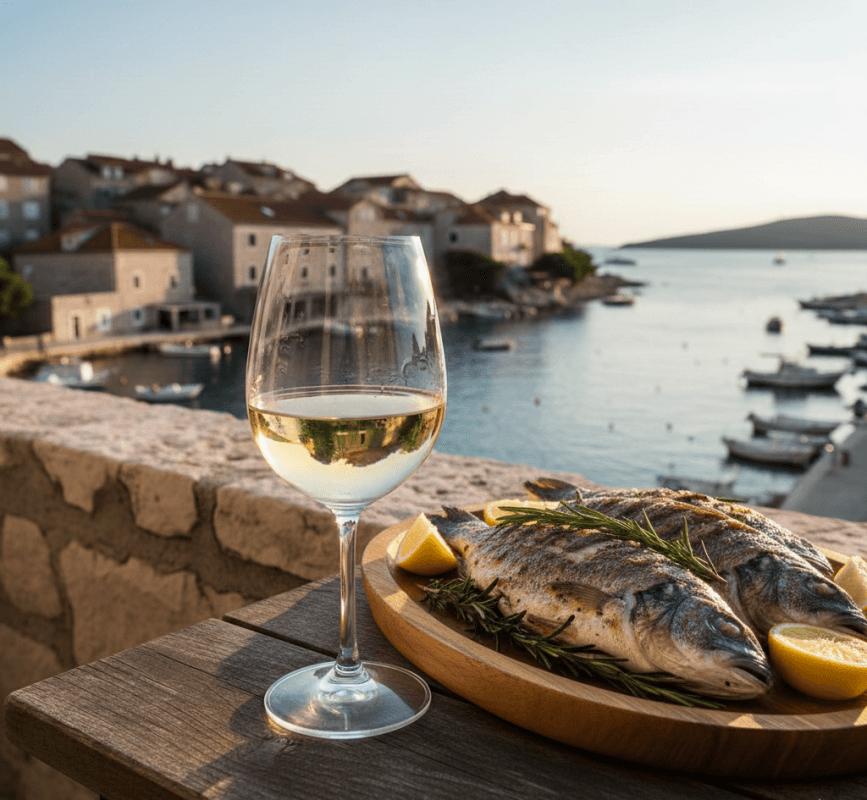
Thanks to its freshness and aromatic profile, Maraština pairs beautifully with Mediterranean cuisine. It is best served chilled at around 10 °C and matches particularly well with fresh fish, seafood, risottos, white meat and goat cheese, as recommended by Total Croatia News. Dessert versions, such as prošek made from Maraština, are traditionally enjoyed with Dalmatian sweets like rožata or fritule.
Buying and serving tips
When buying Maraština, pay attention to the label, vintage and quality designation. Young wines offer freshness and vibrant aromas, while aged examples deliver more complexity and body. Maraština is best served in tulip-shaped glasses to highlight its aromatic profile. If you would like to taste an authentic Dalmatian white wine from a small producer, visit the OPG Branko Marinov online shop and discover the Croatian white wine 0.75 l from Primošten.
Conclusion
Maraština is a grape of deep history and remarkable potential that is once again finding its place among wine lovers. From fresh, aromatic young wines to traditional dessert styles like prošek, this Dalmatian variety offers diversity, authenticity and a true sense of place. Choosing Maraština from small producers means not only selecting a wine, but supporting tradition, terroir and sustainable winemaking in Dalmatia.
Frequently Asked Questions (FAQ)
Is Maraština the same grape as Rukatac?
Yes. Rukatac is one of the local names for the Maraština grape, along with other synonyms such as Krizol and Malvasia del Chianti.
What is the ideal serving temperature for Maraština?
Maraština is best served at around 10 °C to highlight its freshness and aromatic character.
What foods pair best with Maraština wine?
Maraština pairs well with fish, seafood, light risottos, white meat and a wide range of Mediterranean dishes.
Can Maraština be used to make dessert wine?
Yes. Due to its high natural sugar content, Maraština is traditionally used to produce Dalmatian prošek made from dried grapes.