



Croatian grape brandy (Lozovača)
What is lozovača?
Lozovača is a traditional Croatian grape brandy produced by distilling fermented whole grapes or wine.
Unlike some other grape spirits, lozovača is not made from grape pomace or leftovers after winemaking. Instead, it is distilled from what the grape naturally provides — its juice and fruit. This is why lozovača has a clean, dry and understated character that reflects both the grape variety and the region where it is produced.
In Dalmatian wine-growing areas, lozovača has been made alongside wine for centuries. Wherever grapes were cultivated, distillation followed naturally — as a way to use the entire harvest and preserve the value of the vineyard. For this reason, lozovača is considered one of the oldest forms of rakija in Dalmatia and the foundation of many later variations.
It is important to distinguish lozovača from related spirits. Komovica is produced from grape pomace, the solid remains after pressing wine. Travarica is lozovača infused with aromatic herbs during or after distillation. Grappa, although similar in raw material, is an Italian pomace spirit with its own production rules and protected designation of origin. While these spirits are often mentioned together, they differ both technologically and traditionally.
Within Dalmatian families, lozovača was never created as a product for the market. It was part of everyday life — a welcoming drink, a spirit shared in conversation, and a base for other preparations. Above all, it was an expression of the vineyard and the year that preceded it.
To understand why true homemade lozovača differs in flavour and quality, it is essential to look at how it is traditionally produced in Dalmatia.
How traditional lozovača is made in Dalmatia
The production of traditional lozovača in Dalmatia begins in the vineyard. Quality grape brandy starts with healthy, fully ripe grapes, most often local varieties that have proven themselves in this climate over generations, such as Babić and Maraština. Grapes are harvested by hand at the point when the natural balance between sugar and acidity is right, as this balance later influences the purity and character of the spirit.
After harvest, the grapes are crushed and left to ferment, with both juice and berries fermenting together. Fermentation typically lasts between seven and ten days, depending on temperature and grape variety. During this time, the mash is regularly stirred to ensure an even and complete fermentation. The goal is not speed, but allowing all natural sugars to convert into alcohol without creating unwanted by-products.
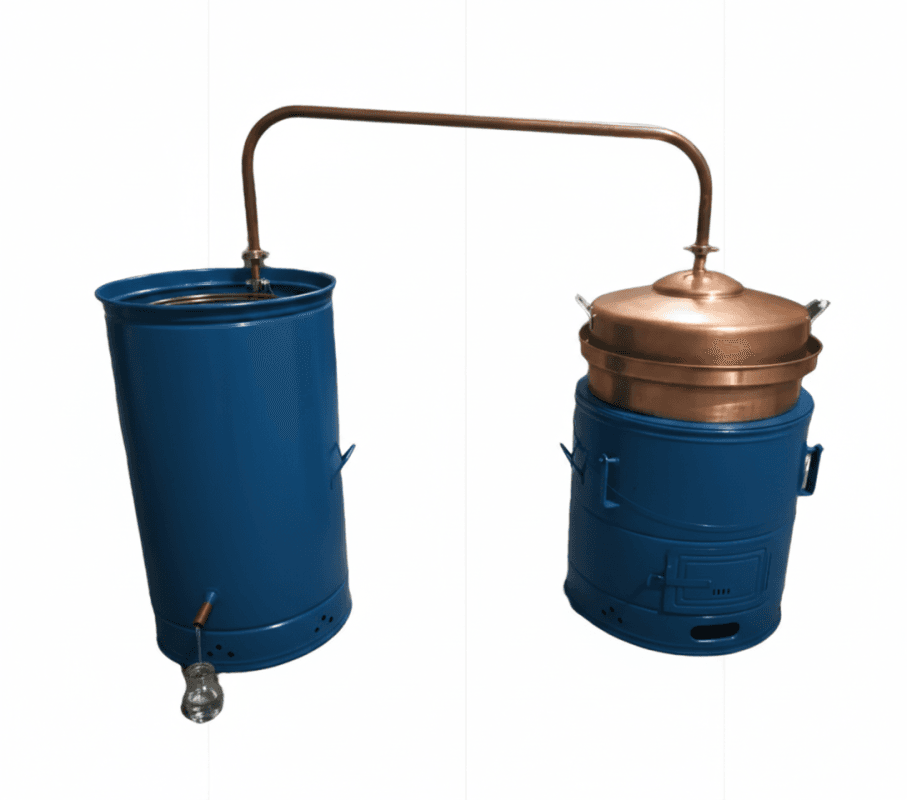
The next and most critical step is distillation in copper stills. Copper is not used for tradition alone — it binds undesirable compounds and helps produce a cleaner, smoother distillate. During distillation, the fractions are carefully separated: the initial portion (the “head”) and the final portion (the “tail”) are discarded, while only the “heart” of the distillate is kept. This is the part that carries the true aroma and flavour of the grapes. In traditional production, double distillation is often used to ensure stability, clarity and a balanced profile.
After distillation, lozovača is not bottled immediately. The spirit is left to rest and mature in glass or other neutral containers, without the addition of sugar, flavourings or corrections. This resting period allows the spirit to settle, soften its edges and express the natural character of the grapes without harshness.
In Dalmatian families, this process was never learned from manuals or textbooks, but by watching and repeating it year after year beside the still. For that reason, homemade lozovača is not a standardised product. It is an expression of the grape variety, the harvest year and the hand of the person who made it.
The differences in aroma, flavour and overall quality become clearest when traditional lozovača is compared with industrial spirits and other types of grape-based distillates.

Flavour, aroma and how lozovača is enjoyed
Authentic homemade lozovača is recognisable at first glance. It is crystal clear, without haze or sediment. This clarity reflects proper fermentation and careful distillation, without later corrections or additives.
On the nose, lozovača is delicate and restrained. Subtle fruity notes of fresh grapes dominate, without heavy or aggressive aromas. A good lozovača should never feel sharp or alcoholic on the nose — its aroma is clean, light and true to the raw material it comes from.
On the palate, quality lozovača is smooth and balanced. The alcohol is present but never harsh; instead, it brings a gentle warmth that unfolds gradually. The finish should be clean and dry, without bitterness or metallic notes. This drinkability is what distinguishes carefully made homemade lozovača from industrial grape spirits.
How lozovača is traditionally served
Lozovača is traditionally enjoyed slowly and in small quantities. The ideal serving temperature is between 14 and 18 °C. When served too cold, aromas are muted; when too warm, the alcohol becomes dominant. It is usually poured into small, narrow glasses that concentrate aromas and allow the spirit to be smelled before tasting.
Lozovača is not meant to be consumed in one gulp. Small sips allow its character to reveal itself gradually. In Dalmatian tradition, it is often offered as a welcoming drink — an aperitif that opens both the appetite and conversation.
What lozovača pairs well with
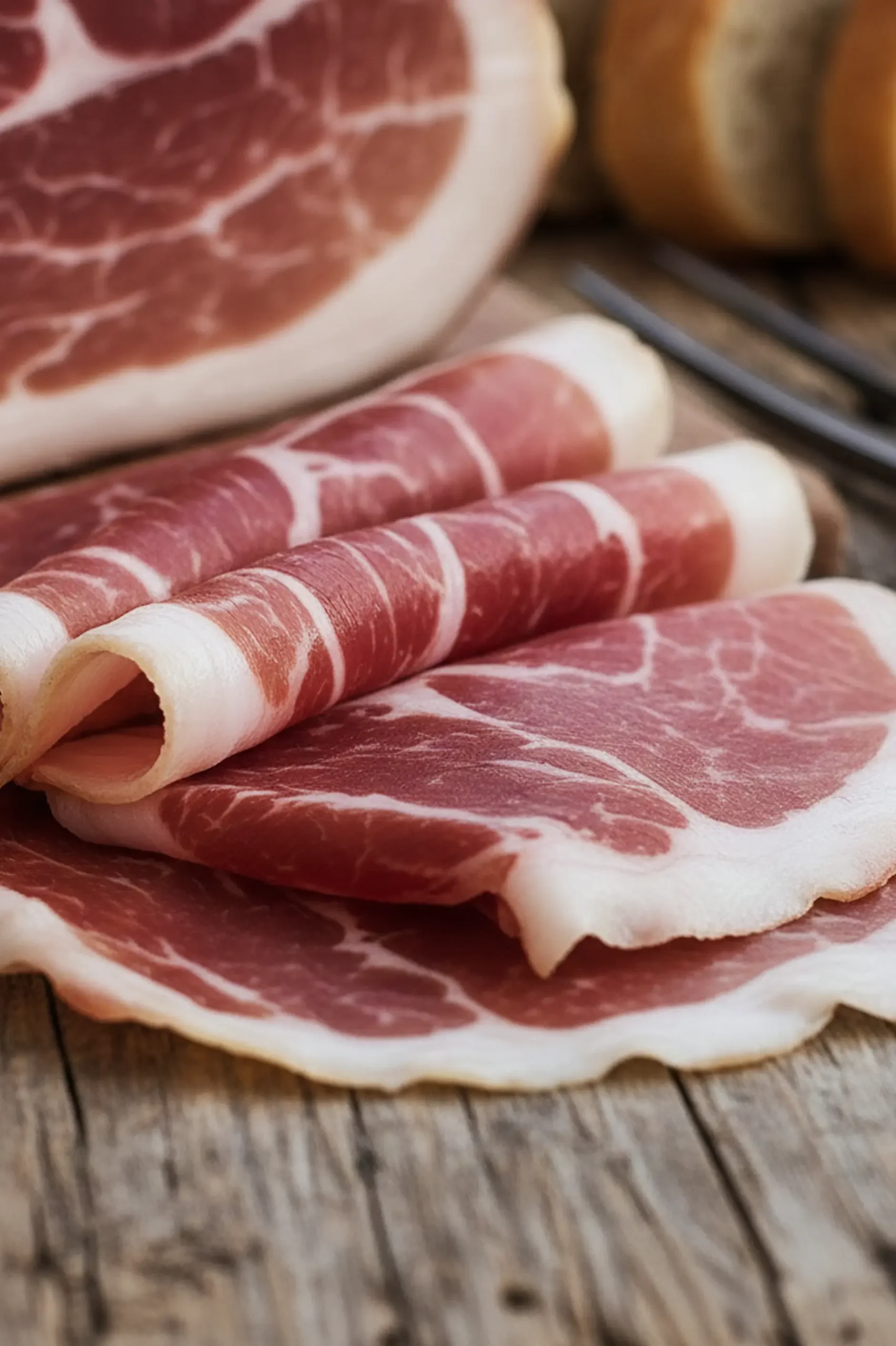
Thanks to its dry and clean profile, lozovača pairs best with simple food. It is commonly served alongside Dalmatian prosciutto, firm cheeses or light savoury bites. It can also accompany traditional desserts, where its warmth gently balances sweetness.
Understanding flavour and serving style is essential when judging quality, as true lozovača does not hide imperfections — it reveals them honestly.
When and how lozovača is traditionally enjoyed
In Dalmatia, lozovača is not a drink consumed casually or without purpose. It has a clear role and place in everyday life — most often as a welcoming drink and an aperitif. When a guest enters the home, lozovača is traditionally served first. Not to be drunk quickly, but to begin a conversation.
It is usually enjoyed before a meal, in a small glass, to gently stimulate the appetite and warm the body. Thanks to its clean and dry profile, lozovača works especially well as an introduction to food, without overwhelming the palate or masking flavours.
Lozovača is also present at family gatherings, celebrations and holidays. It is often given as a gift, particularly when it comes from a household or vineyard known for its tradition. In this context, lozovača is more than an alcoholic drink — it is part of hospitality and custom.
What lozovača is best paired with
Because of its neutral and pure character, lozovača pairs best with simple, local food. It is most commonly served with:
Dalmatian prosciutto
firm and semi-hard cheeses
olives and olive oil
light bites before the main meal
In these pairings, lozovača does not dominate the experience. Instead, its warmth and dryness highlight the saltiness and richness of the food without covering its natural flavours.
For many people encountering Dalmatian rakija for the first time, this context — when it is enjoyed and what it is served with — helps explain why lozovača is more than just a spirit. It is part of a rhythm, a moment and a place.
And understanding that context is also essential when recognising true homemade lozovača.
How to recognise authentic homemade lozovača
Authentic homemade lozovača does not require explanation — it reveals itself at first contact. The first indicator of quality is appearance. A proper lozovača must be crystal clear, without haze, sediment or visible impurities. Any cloudiness usually points to poor distillation practices or later interventions.
On the nose, quality lozovača should feel clean and pleasant. Subtle fruity notes of grapes are present, without sharpness or artificial aromas. If the aroma immediately feels aggressive, dominated by alcohol, or resembles perfume-like notes, it is often a sign that the distillate is harsh or artificially adjusted.
Taste is perhaps the most important indicator. Good lozovača should never burn the throat. Alcohol should bring warmth, not discomfort. A smooth entry, a balanced mid-palate and a clean finish indicate that the fractions were properly separated during distillation and that the spirit was given enough time to rest and stabilise.
What to pay close attention to
When choosing lozovača, it is worth paying attention to a few practical details:
avoid products with added colour or artificial flavouring
check who the producer is and how openly the distillation process is described
favour spirits that are transparent about raw materials, origin and production
In industrial production, flavour is often standardised through colour correction or added aromas to ensure every batch tastes identical. With homemade lozovača, such corrections are unnecessary. Differences between harvests and batches are part of its character, not a flaw.
On family-run farms, lozovača is produced without additives, using traditional distillation methods and time rather than shortcuts. This transparency and simplicity are often the clearest signs that what you have in your glass is lozovača in its true form — a grape distillate without masks or manipulation.
Understanding these differences helps in making an informed choice and explains why not every spirit labelled as lozovača is truly the same, even when the name suggests otherwise.
Where to buy authentic Dalmatian lozovača
Authentic Dalmatian lozovača is not produced in large batches or anonymous facilities. The most reliable way to find true lozovača is by buying directly from a family-run farm, where the vineyard, raw material and people behind the bottle are clearly known.
Buying directly from the producer means:
transparency – it is clear which grapes are used and how the spirit is made
traceability and freshness – without long chains of intermediaries
authenticity – the product is backed by a family, not just a label
This is the approach followed by OPG Branko Marinov. Lozovača is produced in small quantities, using grapes from the family’s own vineyards, with traditional distillation methods and without industrial standardisation. The process is straightforward and open, without hiding behind marketing claims.
For those who cannot visit the farm in person, authentic lozovača can also be purchased safely through an online shop, with the same level of transparency — clear origin, an honest description of production and direct contact with the producer.
In some markets, such as Germany, Austria or Poland, authentic lozovača can occasionally be found in specialised delicatessen shops or wine stores that work with small producers. Even then, the same rule applies: always check who stands behind the product and how it is made.
If you are looking to taste lozovača that comes from a vineyard rather than an industrial process, starting at the source is always the best choice.
The lozovača described on this page is available through our online shop.
I grew up with homemade rakija, and this lozovača tastes exactly how I remember it should. Clean, smooth, no burning sensation. You can tell it’s made with care and good grapes.
I was looking for an authentic Croatian grape brandy and this one really impressed me. Very pure aroma, balanced alcohol, easy to drink. It feels traditional, not industrial.
This was my first experience with lozovača and I really liked it. Smooth, not aggressive, and very natural. It doesn’t feel industrial at all.
Frequently Asked Questions about Lozovača
Is lozovača the same as grappa?
No. Although both are made from grapes, lozovača is produced by distilling fermented whole grapes or wine, while grappa is made exclusively from grape pomace.
What is the alcohol content of lozovača?
Lozovača typically contains between 40% and 50% alcohol, depending on the distillation method.
Is travarica stronger than lozovača?
Usually not. Travarica is lozovača infused with herbs, and its alcohol strength is generally similar.
How should lozovača be stored?
It should be stored in a dark, stable place at room temperature, in a well-sealed bottle.
Can lozovača be used in cooking?
Yes. It is traditionally used in small amounts for flambéing, desserts and marinades.
How can you tell if lozovača is homemade or industrial?
Homemade lozovača is clear, has a pleasant aroma and does not burn the throat.