

Rakija in Home Medicine: Traditional Use
Rakija is not just a strong spirit raised in a toast – in traditional folk medicine, it held an almost mythical status as a remedy for nearly everything. Our grandparents always kept a bottle of homemade rakija within reach, as an essential part of home medicine. From colds to digestive discomfort, rakija was used for decades – if not centuries – to ease a wide range of everyday health issues. Of course, this refers to moderate amounts and often to external use, but this multifunctional role of rakija is an important part of our cultural heritage.
In times when pharmacies were far away and doctors rarely available, people relied on what they had at home. Rakija was always close at hand – in the cupboard, cellar or pantry – and used for everything from disinfecting small wounds to warming the body on cold winter nights.
Rakija as a Folk Remedy
In many households there was a saying: “Have a small glass – you’ll feel better.” It may sound humorous today, but behind it lies generations of experience and a deep belief in the strength of homemade rakija. Traditional folk medicine believed that for stomach pain, colds, flu and similar ailments, there was no better remedy than rakija. A small glass of good homemade rakija was thought to “kill bacteria and viruses” in the body.
That is why rakija was recommended at the very first signs of illness – either as a quick sip to ‘disinfect the throat’ or as a warm drink such as heated rakija. People believed rakija “gets the blood moving,” warms the body and helps it fight illness on its own.
Older generations will often say that rakija warmth comes from both inside and outside. Besides being consumed in small amounts, rakija was widely used externally. Rubbing rakija into the skin was believed to improve circulation and ease muscle pain. When no antiseptic was available, rakija was used to clean wounds, and in cases of toothache, strong grape rakija could temporarily numb the pain.
For all these reasons, rakija was considered the first remedy at hand – a natural antiseptic, pain reliever and body warmer.
Today, we know that excessive alcohol consumption is harmful. However, moderate intake – one small glass – has been associated in some studies with certain circulatory benefits. The key word, as always, is moderation. In traditional use, rakija was a remedy only in small quantities; excess negates any potential benefit.
A Warm Remedy for Colds and Flu
When a cold or flu strikes, we often reach for honey, lemon and herbal teas. Our ancestors, however, would almost always add – rakija. Rakija played a dual role: internally it warmed the body and encouraged sweating, while externally it was used to help reduce fever.
One of the most well-known traditional remedies was heated rakija – gently warmed with sugar, sometimes with a pinch of pepper. It was drunk warm, usually before bedtime. People said it “sweats the illness out” and warms the bones during cold winter nights.
Rakija was also an ingredient in homemade cough remedies. A spoonful of honey mixed with a little rakija and a few drops of propolis was used for sore throats. Herbal tea with a teaspoon of rakija was the “grandmother’s remedy” for throat inflammation – combining medicinal herbs with alcohol to soothe pain.
Folk tradition held that rakija disinfects the mouth and throat, so it was also used for rinsing in cases of toothache or gum inflammation.
Another common practice in home medicine was using rakija to lower fever. Alcohol cools the skin through evaporation, so rakija compresses were often applied. Cloths or socks soaked in rakija were wrapped around the legs of someone with a high temperature to help draw heat from the body.
Similarly, rubbing the body with rakija – sometimes diluted with warm water or oil – was used to cool the body. The smell was not pleasant, but the method was believed to be effective.
Massage and Compresses with Rakija
External use of rakija was often considered even more important than drinking it. For muscle and joint pain, especially rheumatic issues, rakija served as a natural massage aid. Rubbing it into sore areas stimulated circulation and created a warming sensation that eased stiffness and pain.
Elderly people often said that nothing warms aching joints like homemade rakija rubbed into knees or lower back. For back pain, herbal rakija (travarica), sometimes infused with wormwood, was especially valued. The combination of alcohol and medicinal herbs helped relax muscles and nerves.
Rakija was also used for compresses. For sore throats, a warm rakija compress was wrapped around the neck. For headaches, rakija was rubbed into the temples or applied as a forehead compress. In cases of ear pain, a few drops of very strong rakija were sometimes used as a disinfectant and temporary pain reliever.
Additionally, rakija was indispensable for disinfecting minor cuts and insect bites. The stinging sensation was seen as proof that it was “working.” Combined with honey, garlic and olive oil, rakija formed the basis of traditional first aid.
Rakija as a Digestive Aid
One of rakija’s most familiar roles was as a digestif. After a heavy meal, hosts would almost always offer “a small one for the stomach.” A small glass was believed to warm the stomach and stimulate circulation, helping digest rich or fatty foods.
If someone ate something spoiled or difficult to digest, a sip of rakija was thought to “kill germs” in the stomach and relieve discomfort. Plum rakija was especially valued and often described as strong yet surprisingly gentle on the stomach.
For bloating, cramps and indigestion, rakija was considered the first solution. It also served as the base for many herbal tinctures, made by macerating medicinal plants in alcohol.
Travarica – Herbal Rakija
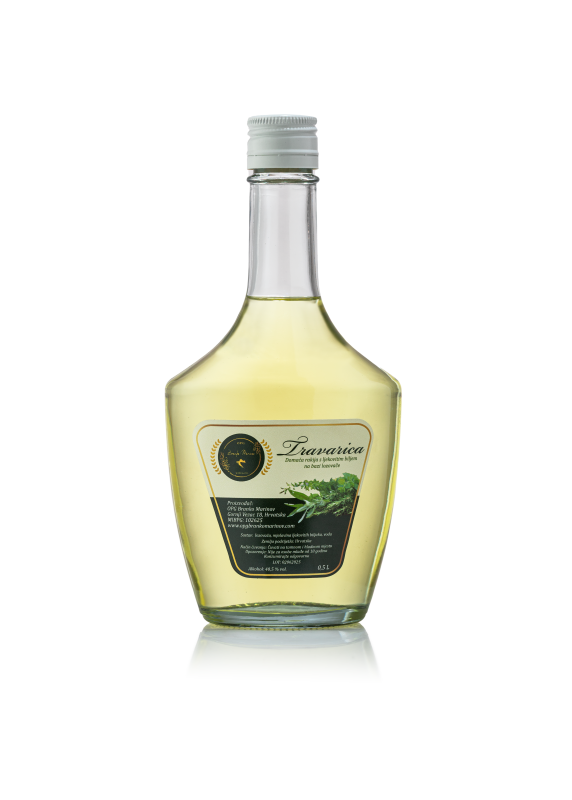
When speaking of rakija in home medicine, travarica holds a special place. It is rakija infused with medicinal herbs such as sage, rosemary, chamomile, St. John’s wort and many others. Almost every family had its own recipe, passed down through generations.
Travarica was considered one of the most valued herbal rakijas. It was used for colds, digestion, muscle and back pain, and even as a mild relaxant. A small glass before bedtime was believed to calm the body and promote better sleep.
Today, travarica is often enjoyed as an aperitif, but its role in traditional home medicine remains deeply rooted.
Lozovača – For Disinfection and Massage
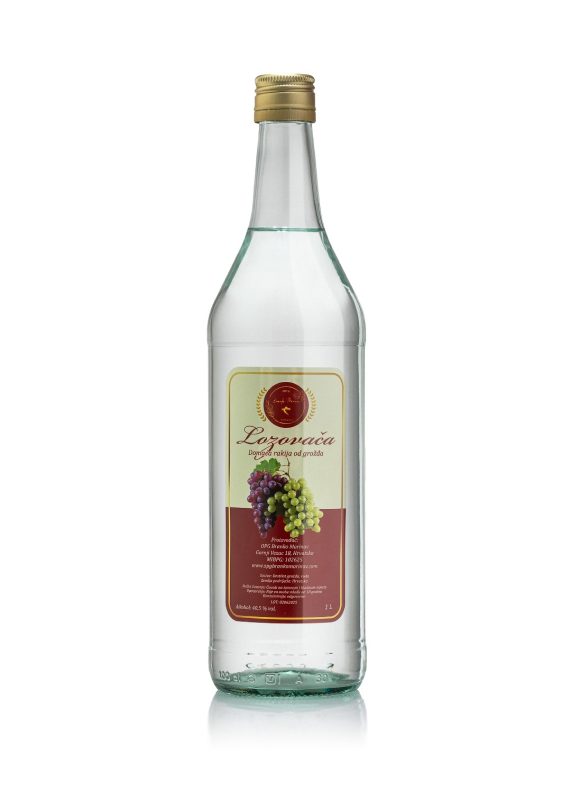
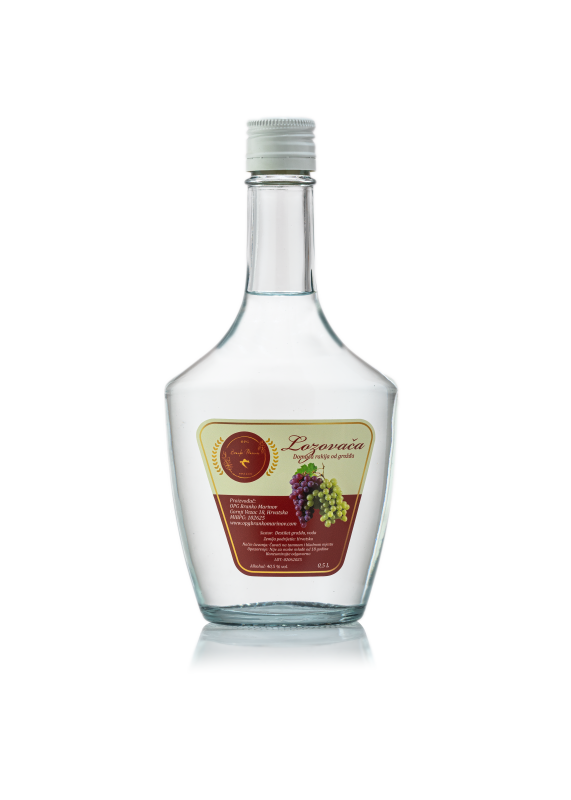
Lozovača is a traditional grape brandy and the base of many other rakijas. Due to its high alcohol content, it was widely used for disinfection, toothache relief, massage and compresses.
Homemade lozovača was especially valued, while industrial versions were often seen as “only good for toothache.” True homemade grape rakija was consumed sparingly and used in various household remedies.
Orahovac – Walnut Liqueur in Home Medicine
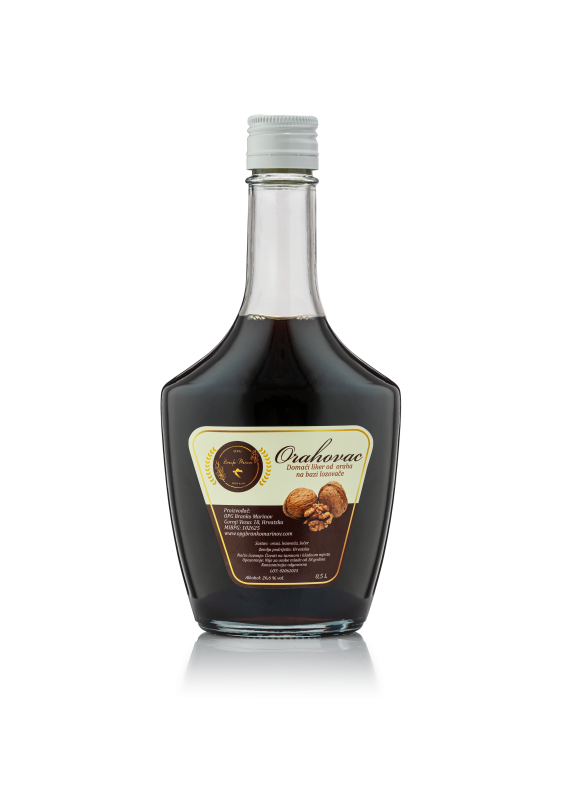
Orahovac was traditionally known as a digestive and restorative liqueur. It was consumed in small amounts, usually after meals or preventively in autumn, and was believed to support overall strength.
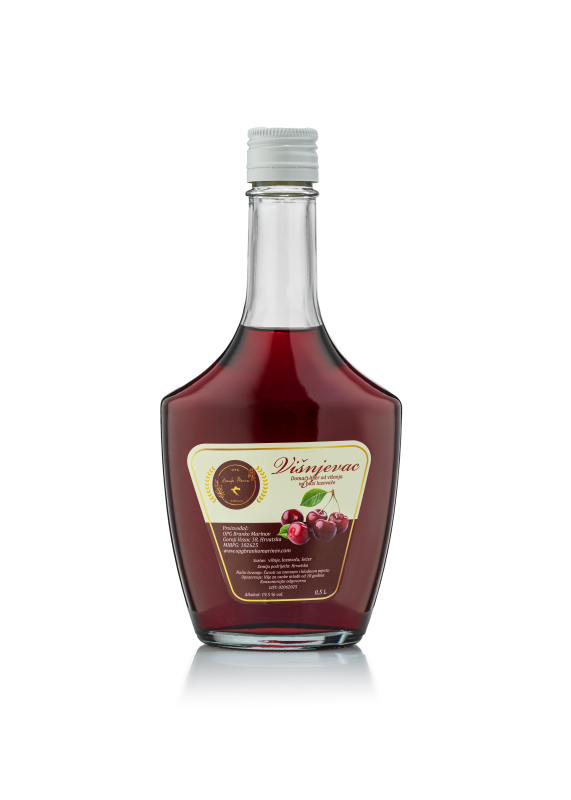
Višnjevac – A Sweet Remedy from the Pantry
Višnjevac was enjoyed as a dessert liqueur, but also as a gentle home remedy. It was believed to lift the spirit, restore energy and help with exhaustion and mild insomnia.
Moderation and Tradition
All these uses of rakija belong to our folk heritage. Rakija is not a miracle cure, but it was a trusted companion in everyday life. Today we drink it for pleasure, yet every glass still carries a trace of tradition.
As our elders would say: “Cheers – and enjoy in moderation!” 🍷
FAQ – Rakija in Home Medicine
Is rakija really a “medicine” or just a folk belief?
Alcohol can act as a surface antiseptic, while warm drinks such as heated rakija may provide short-term warmth.
Rakija is not a substitute for medical treatment.
What did people traditionally use rakija for?
as a digestif after heavy meals, and for disinfecting minor cuts and insect bites.
How was heated rakija prepared and when was it consumed?
It was usually consumed warm in the evening before bedtime, with the idea of warming the body and encouraging sweating.
Are rakija compresses safe for lowering fever?
Today this is considered a folk practice and should be used with caution.
Avoid use on damaged skin, in small children, or when fever is high or persistent.
What is the difference between lozovača, travarica, orahovac and višnjevac?
Travarica – lozovača infused with herbs, valued for digestion and muscle pain.
Orahovac – walnut liqueur, traditionally used “for the stomach”.
Višnjevac – cherry liqueur, a mild digestif and “for good mood”.
How was rakija used for toothache?
Toothache is a sign that professional dental care is needed.
Can rakija help digestion after a heavy meal?
Moderation is key – excessive alcohol has the opposite effect.
When is it better not to use rakija as a home “trick”?
in cases of serious symptoms (persistent high fever, breathing difficulties, severe pain),
and on damaged or inflamed skin.
It does not constitute medical advice.