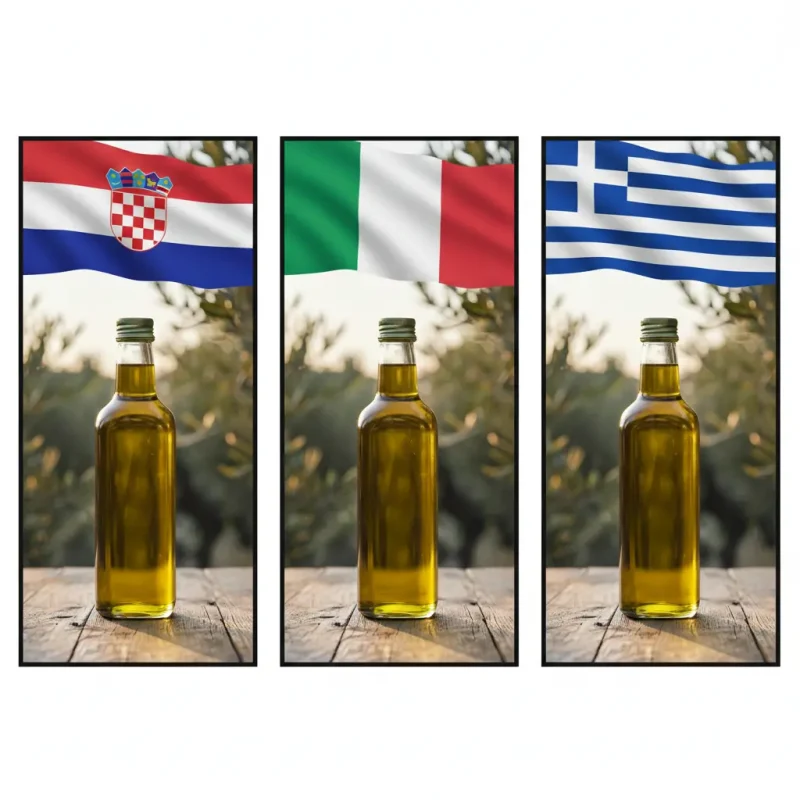

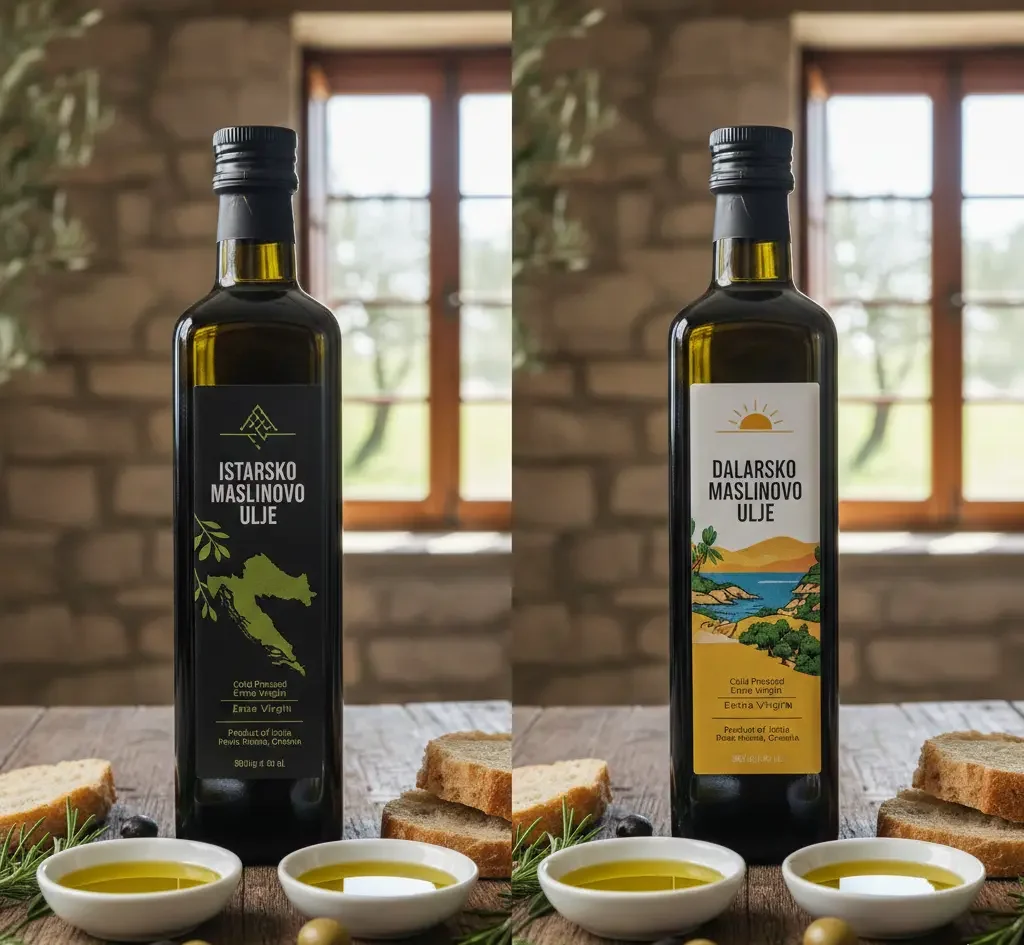
Istrian vs Dalmatian Olive Oil – Differences in Climate, Varieties, Tradition, and Taste
Climate and Terroir: North vs South of the Adriatic
Climate and soil play a crucial role in shaping the character of olive oil. Istria, located in the northern Adriatic, enjoys a mild Mediterranean climate with slightly higher rainfall and cooler winters. Olive trees in Istria typically grow on a combination of red soil (terra rossa) and limestone, creating a rich and mineral-balanced terroir.
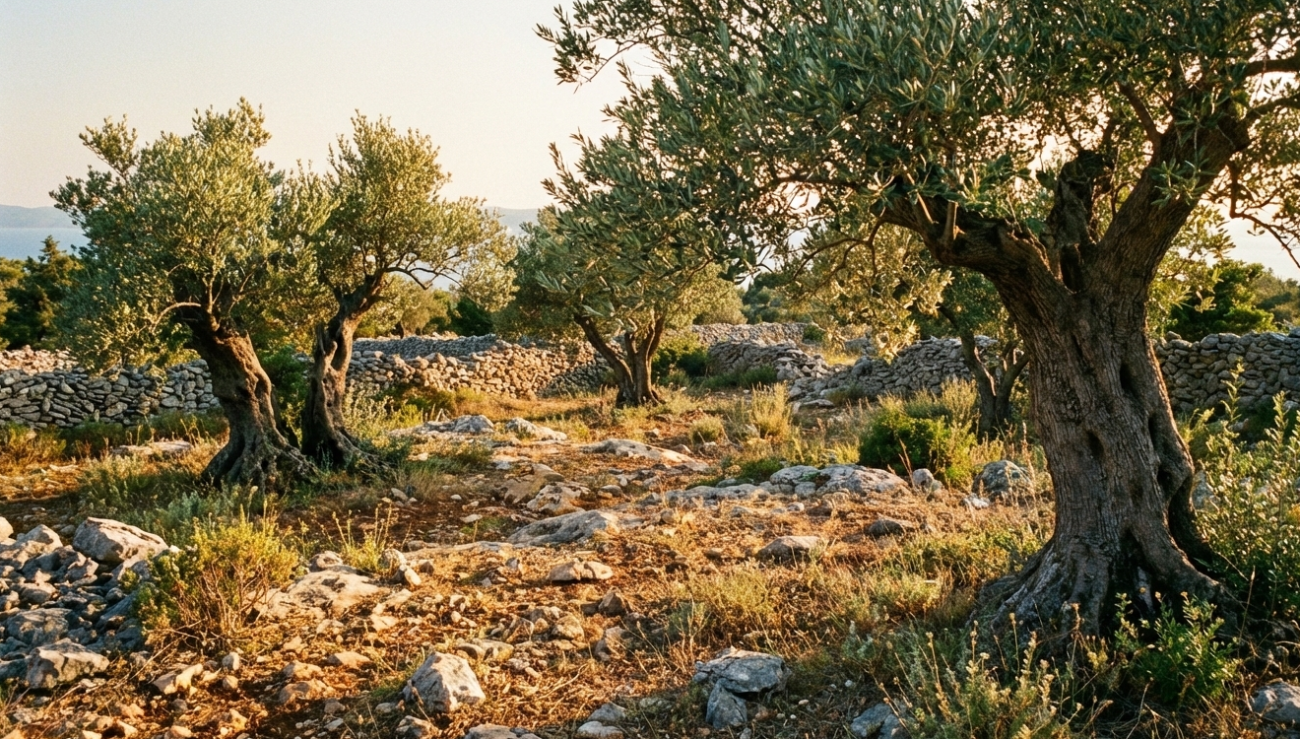
In contrast, Dalmatia, in the south, benefits from significantly more sunshine—over 2,600 hours per year—and much drier, rocky karst terrain. Dalmatian olive groves are often planted on stone terraces with minimal soil, where olive trees must endure summer droughts and strong winds such as the bora and jugo. These harsh conditions force the tree to concentrate nutrients within the fruit.
The result? Olives from both Istria and Dalmatia produce exceptional olive oils, but with distinct nuances. Istria’s blend of red soil and limestone, combined with a more moderate climate, produces olives rich in aroma and polyphenols. Dalmatian olives, bathed in intense sunlight and sea air, often grow more slowly and yield less fruit—but the oil is remarkably high in quality. A perfect example is Primošten, in the heart of Dalmatia, where olive groves grow on red soil mixed with stone. This unique terroir gives the oil subtle mineral notes rarely found elsewhere.
Indigenous Olive Varieties of Istria and Dalmatia
Olive variety is a key factor in determining the flavor profile of olive oil.
In Istria, indigenous varieties dominate—most notably Buža, Istarska Bjelica, Rosinjola, and Crnica, alongside international varieties such as Leccino and Frantoio. Buža is the most widespread and produces a medium-fruity oil, while Istarska Bjelica is known for its bold, peppery character and high polyphenol content. These varieties, combined with meticulous processing, are the reason why Istria has been repeatedly named the world’s best olive oil region by the prestigious Flos Olei guide.
Dalmatian olive growing, on the other hand, is built around the legendary Oblica—the dominant variety from Zadar to Dubrovnik. Oblica is extremely drought-resistant and produces a pleasant, mildly fruity oil with subtle almond notes. Alongside Oblica, Dalmatia is home to varieties such as Levantinka (primarily on the islands), Lastovka, and Drobnica (especially prized on Korčula). These contribute slightly more intense, green and herbal notes to Dalmatian oils.
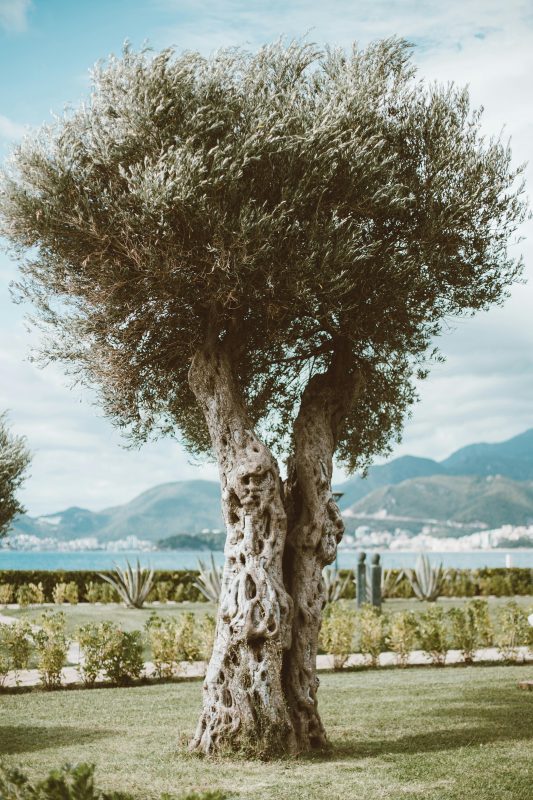
Many Dalmatian olive groves are centuries old—some olive trees in Primošten and on the island of Pag are over 500 or even 1,000 years old, a testament to the longevity of these varieties.
Variety Comparison
Istria
Buža – fruity, mild bitterness
Istarska Bjelica – intensely bitter and peppery
Leccino – balanced and smooth
Dalmatia
Oblica – mild, slightly sweet, aromatic
Lastovka & Levantinka – greener, more intense notes
Drobnica – bold and peppery
Different varieties result in distinct flavor profiles, making the origin of olives easily recognizable in the glass.
Olive Oil Tradition: Two Cultures, One Passion
Olive oil production in Croatia has a millennia-long history, dating back to Illyrian and Roman times. Istria was already renowned for olive oil in antiquity—ancient olive mills near Poreč and amphorae filled with Istrian oil found across the Roman Empire attest to this legacy. Over centuries, this tradition evolved into a culture where olive oil is known as “Istrian liquid gold.” Modern Istrian producers continue this heritage by combining tradition with advanced technology, investing heavily in branding and quality, winning international awards, and creating boutique olive oils with a strong narrative.
In Dalmatia, the olive tree has always been a symbol of life and survival. From ancient Greek colonies on Hvar and Korčula (4th century BC) through the Middle Ages, olives were considered sacred. It was customary to plant an olive tree at the birth of a child. Traditionally, Dalmatian producers sometimes soaked olives in seawater before pressing to reduce bitterness—a practice now abandoned due to its negative effect on polyphenols. Still, such customs add to the cultural uniqueness of Dalmatian olive oil.
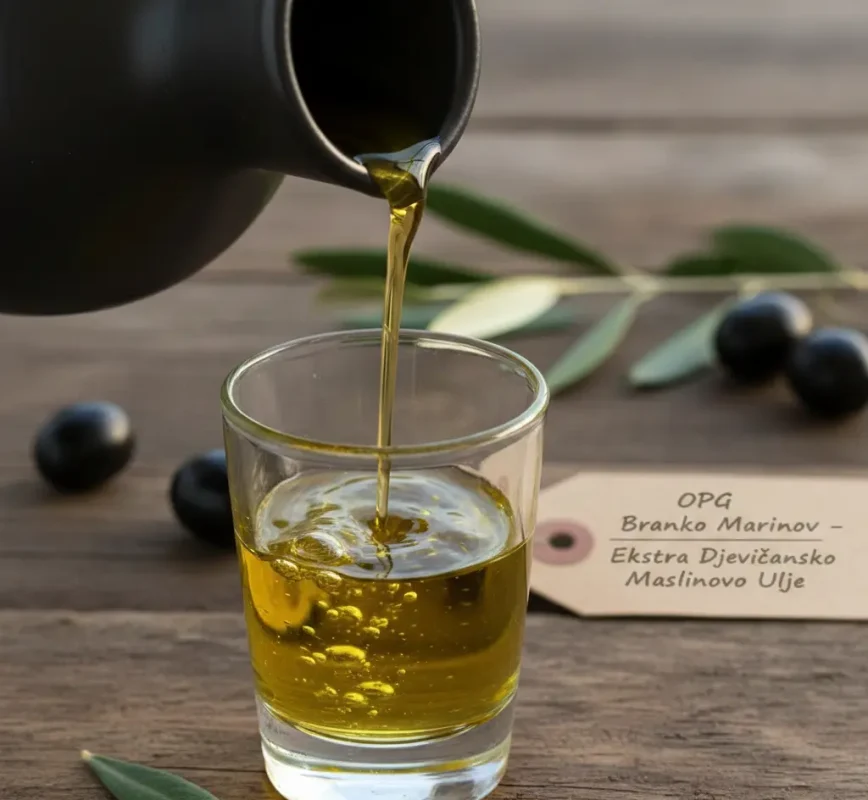
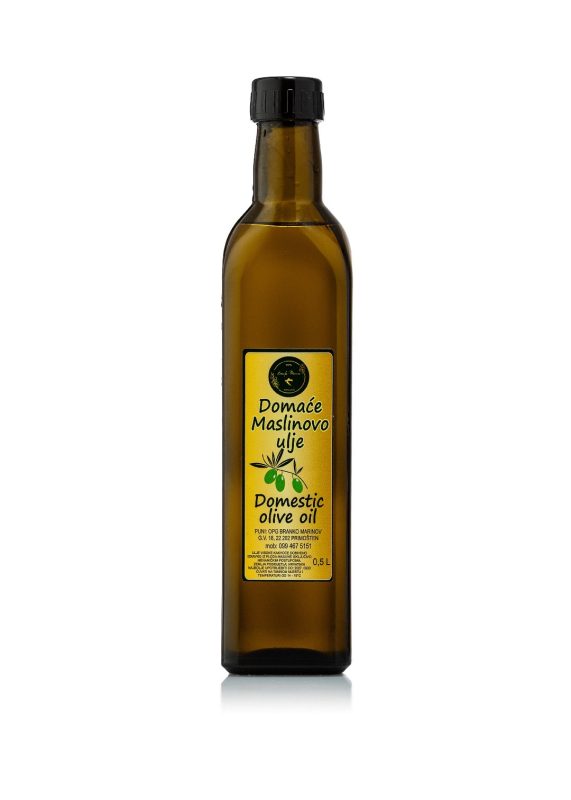
While Istria embraced modernization and international promotion earlier, Dalmatia has recently begun to close that gap. Producers such as OPG Branko Marinov from Primošten demonstrate that southern Croatia can produce olive oils of world-class quality. Multi-generational family traditions—seven generations in Primošten—are now combined with modern expertise, resulting in oils that bridge the past and present.
Flavor Profile: Intensity vs Elegance
What truly distinguishes Istrian from Dalmatian extra virgin olive oil?
Istrian olive oils are generally more intense and robust. They tend to be more bitter and peppery, especially when Istarska Bjelica or early-harvest Buža dominates. Aromas of fresh grass, artichoke, and olive leaves signal high polyphenol content. The characteristic peppery sensation in the throat—a sign of antioxidants—makes these oils ideal for bold dishes such as red meat, aged cheeses, or even dark chocolate desserts, where they create balance through contrast.
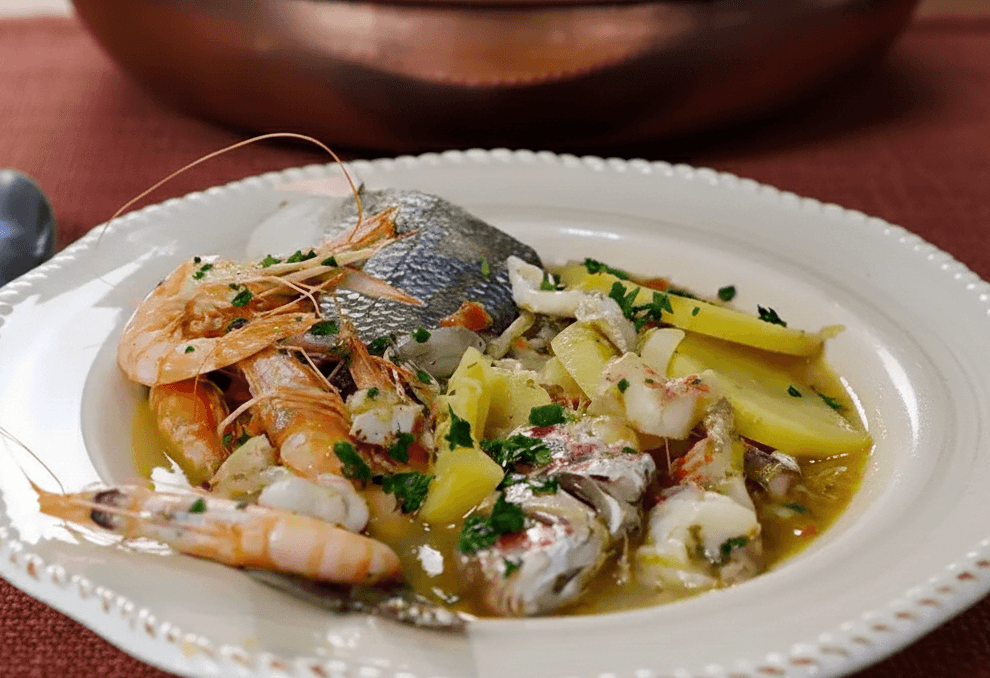
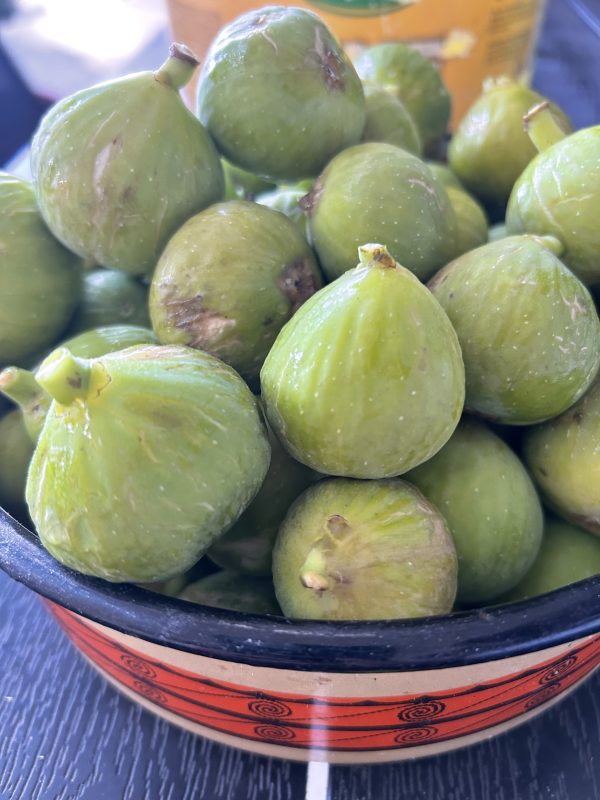
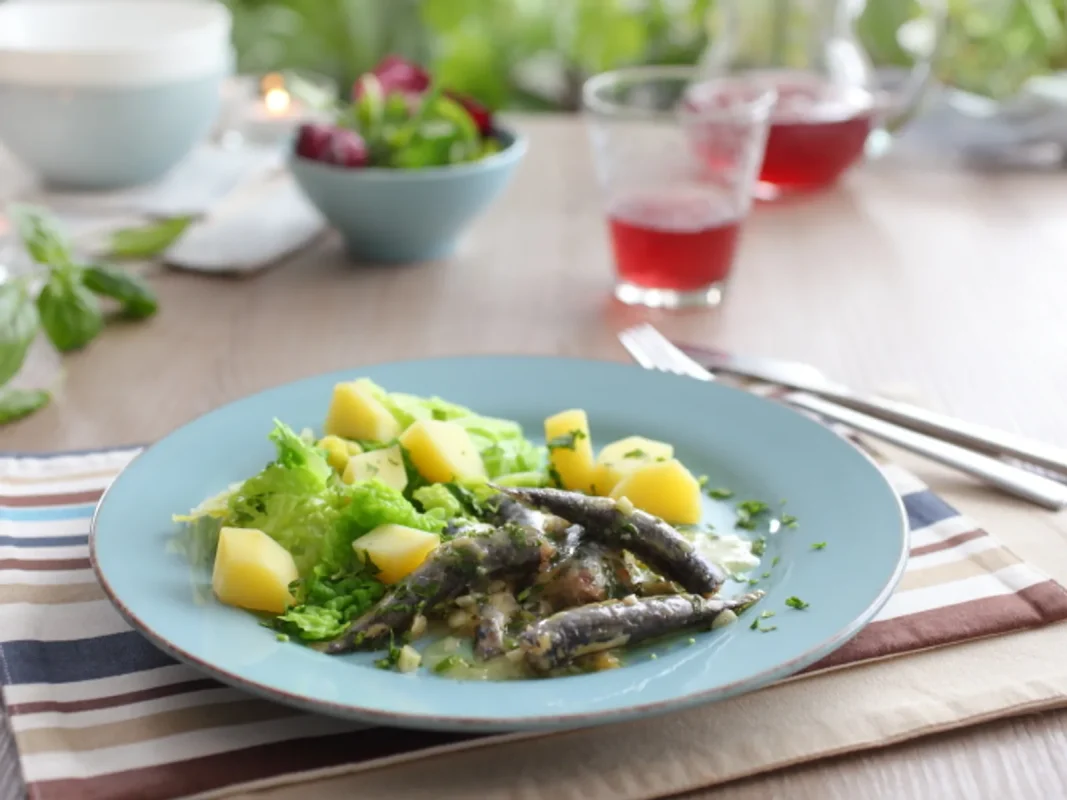
Dalmatian olive oils, by contrast, are known for their softer and more aromatic profile. Their bouquet often includes notes of fresh figs, almonds, and wild Mediterranean herbs. Bitterness and pungency are present but more restrained. Dalmatian oils gently coat the palate rather than dominate it, making them ideal for fish, seafood, and lighter dishes. Traditionally, Dalmatian families drizzle freshly grilled fish with mild Oblica oil, enhancing rather than overpowering its delicate flavor.
Of course, every oil is unique. Harvest timing plays a major role—early-harvest olives produce greener, more pungent oils, while later harvests yield sweeter, golden oils. Interestingly, many Dalmatian producers now harvest earlier to achieve stronger profiles, while some Istrian producers experiment with later harvests for smoother oils, slightly blurring regional boundaries.
Quality and Awards – Who Leads?
Both Istrian and Dalmatian olive oils today represent the highest quality tier. Istria is internationally celebrated—its oils consistently rank among the world’s best and regularly win gold medals from New York to Tokyo. The Flos Olei guide has named Istria the world’s top olive oil region multiple times, thanks to coordinated efforts by Istrian producers to raise quality standards.
Dalmatian oils were long a hidden treasure, consumed mainly within families and sold locally. That is changing rapidly. Oils from Korčula, Brač, and Hvar now regularly win international awards, with Korčula holding EU Protected Designation of Origin status. Laboratory analyses confirm that high-quality oils from both regions meet the strictest extra virgin standards—low acidity, low peroxide values, and high phenolic content.
Experts emphasize that asking “Which is better?” misses the point. Quality depends on micro-location, cultivation practices, and processing methods, not geography alone. Exceptional oils exist in both regions, often produced by small, dedicated family farms.
Primošten – Dalmatian Excellence in a Bottle
To understand Dalmatian quality, one need only look at Primošten, a picturesque town in central Dalmatia, and OPG Branko Marinov. Olive trees here grow on poor, rocky red soil surrounded by ancient dry-stone walls, recognized by UNESCO as intangible cultural heritage. Minerals from the soil, sea salt carried by wind, and sharp day-night temperature differences give Primošten olive oil its distinctive character.
OPG Branko Marinov harvests olives by hand and presses them the same day using cold extraction. The result is limited-edition extra virgin olive oil that captures the essence of Primošten. Analyses show outstanding quality—acidity below 0.2% and high polyphenol levels—while customers describe it as “world-class.”
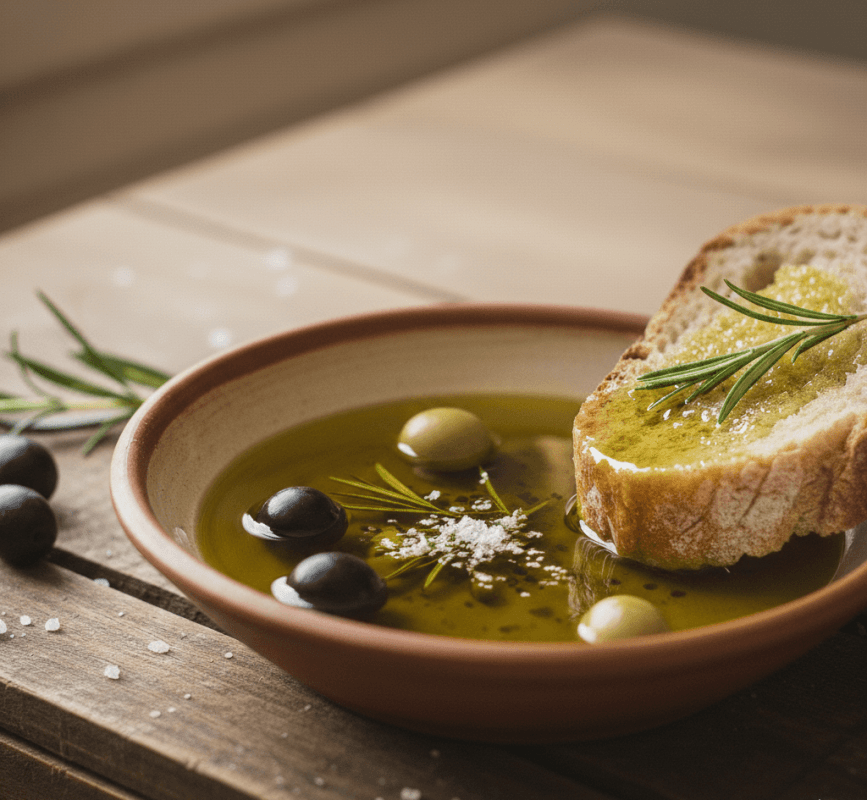
Tasting Primošten olive oil means tasting authentic Dalmatia: a gentle opening, followed by gradual peppery intensity, and a long, pleasant bitterness reminding you that each tree grows from stone. It pairs perfectly with fish stews, traditional Dalmatian dishes, or simply fresh bread.
Conclusion: Two Regions, One World-Class Heritage
Istrian and Dalmatian olive oils are not rivals—they are two expressions of the same Mediterranean soul. Istria offers structured, intense, award-winning oils; Dalmatia provides authentic tradition and oils that balance elegance and strength.
If you prefer bold, green, peppery flavors, Istrian olive oil may be your choice. If you favor softer, aromatic oils reminiscent of the sea, Dalmatian olive oil will captivate you. The best advice? Try both.
Ultimately, the key is choosing a trusted producer committed to uncompromising extra virgin quality. Family farms like OPG Branko Marinov in Primošten prove that Croatian olive oil—north or south—belongs among the world’s finest. Each drop carries history, tradition, and craftsmanship, delivering the authentic taste of the Mediterranean and a healthy habit that elevates every meal.
Frequently Asked Questions
What is the main difference between Istrian and Dalmatian olive oil?
Istrian olive oils are typically more robust, bitter, and peppery, while Dalmatian olive oils
are smoother, more aromatic, and gently fruity.
Why does olive oil burn or sting in the throat?
characteristic of high-quality extra virgin olive oil and a sign of freshness and antioxidant content.
Which olive oil is better for fish and which for meat?
while more intense, peppery oils (often Istrian) complement red meat, aged cheeses,
and richer dishes.
Is Istrian olive oil healthier than Dalmatian olive oil?
and storage. High-quality oils from both regions can be equally rich in antioxidants
and beneficial fats.
How can you recognize real extra virgin olive oil?
low acidity, and proper storage in dark glass bottles away from heat and light.